
Weather: Understanding the Shifting Moods of Nature
One of the most noticeable and significant aspects of our natural environment is the weather. It affects our daily lives, influences our clothing choices, activities, health, agriculture, transportation, and even our moods. Weather refers to the atmospheric conditions—such as temperature, humidity, wind speed, precipitation, and cloud cover—at a given location and time. These conditions change frequently, sometimes within minutes, and vary from one region to another.
Understanding weather is essential for survival, comfort, and planning in our everyday life.
What Is Weather?
Weather is the state of the atmosphere at a specific time and place. It includes short-term changes in temperature, moisture, air pressure, wind, and other conditions. These changes result from the movement of air masses, the heating effect of the sun, and the Earth’s rotation.
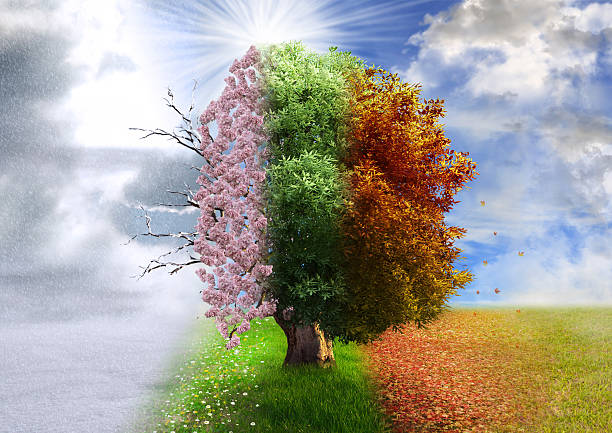
It’s important to note the difference between weather and climate. While weather refers to short-term atmospheric changes, climate describes the average weather over a long period (usually 30 years or more).
Elements of Weather
Several key components determine the type of weather we experience:
-
Temperature – Measures how hot or cold the atmosphere is. It changes with the season, time of day, location, and altitude.
-
Humidity – The amount of water vapor in the air. High humidity makes the air feel warmer, while low humidity feels cooler and drier.
-
Precipitation – Includes all forms of moisture that fall from the sky, such as rain, snow, sleet, and hail.
-
Wind – Air movement from high-pressure to low-pressure areas. Wind plays a major role in moving heat and moisture across regions.
-
Cloud Cover – Clouds can block sunlight and are often responsible for different types of precipitation.
-
Atmospheric Pressure – Also known as air pressure, it is the force of the air pushing down on Earth. Falling or rising pressure can indicate changing weather.
Types of Weather
Different combinations of atmospheric elements result in different weather types:
Sunny Weather
Clear skies and abundant sunshine. Typically brings warm and pleasant conditions.
Cloudy Weather
Clouds cover much or all of the sky, often blocking sunlight partially or completely.
Rainy Weather
Characterized by falling water droplets. Rain is vital for agriculture and the water cycle but can also cause floods.
Snowy Weather
Occurs when temperatures drop below freezing, and moisture in the air crystallizes. Common in colder regions.
Windy Weather
Strong or light winds can influence temperature and moisture. Wind can be gentle or intense depending on air pressure changes.
Stormy Weather
Involves thunderstorms, lightning, heavy rain, and strong winds. Storms can be dangerous and damaging.
Foggy Weather
Low visibility caused by condensed water vapor near the ground, usually during cooler mornings.
Hot or Cold Weather
Extreme temperatures can pose health risks to humans and animals and disrupt routine life.
Seasonal Variations in Weather
Weather patterns typically change with the seasons:
-
Spring – A season of renewal with mild temperatures, blooming flowers, and longer days.
-
Summer – Hot, dry, and sunny. Often the warmest season with clear skies and high temperatures

. -
Autumn (Fall) – A transitional season with cooling temperatures and falling leaves.
-
Winter – The coldest time of year, often accompanied by snow and ice in many parts of the world.
Importance of Weather in Daily Life
Weather influences many aspects of human life, directly or indirectly:
Agriculture
Farmers rely heavily on weather conditions to plant and harvest crops. Rain, sunlight, and temperature determine crop yield and quality.
Health
Sudden shifts in weather can trigger illnesses such as colds, allergies, and even heatstroke.
Transportation
Airports, roads, and shipping routes are all affected by weather. Fog, storms, or snow can delay or cancel travel plans.
Economy
Extreme weather events like floods, droughts, and hurricanes can damage infrastructure and result in massive economic losses.
Daily Decisions
From choosing outfits to planning trips, weather forecasts shape our daily routines and choices.
Weather Forecasting: Predicting the Unpredictable
Thanks to advances in technology, meteorologists can now predict weather with remarkable accuracy. They use tools such as:
-
Satellites
-
Radars
-
Weather balloons
-
Computer models
These tools allow for the mon
itoring and forecasting of severe weather events like hurricanes, heatwaves, and heavy snowfall—helping save lives and prevent damage.
Climate Change and Its Impact on Weather
In recent years, climate change has had a profound impact on global weather patterns. Rising greenhouse gas emissions have led to:
-
More frequent and intense heatwaves
-
Increased rainfall and flooding
-
Stronger storms and hurricanes
-
Extended periods of drought
Understanding the relationship between weather and climate is becoming increasingly important as we face environmental changes on a global scale.

0 Comments