
Ertuğrul Gazi: The Father of an Empire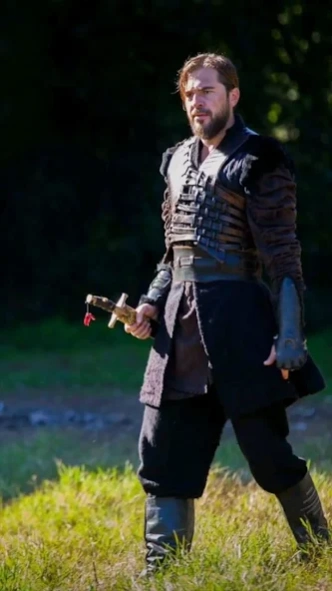
Ertuğrul Gazi, a legendary 13th-century leader of the Kayı tribe of the Oghuz Turks, is widely celebrated as the founding father of the Ottoman Empire. Though historical records about his life are limited and often intertwined with legend, his contributions to the establishment of one of the greatest empires in history have made him a lasting symbol of courage, faith, and visionary leadership.
Early Life and Migration

Ertuğrul was born around 1191, possibly in Central Asia. He was the son of Suleyman Shah, the chief of the Kayı tribe, a branch of the larger Oghuz Turkish confederation. During Ertuğrul's early life, the Mongol invasions in the east triggered large-scale migrations among Turkic tribes. Seeking safety and opportunity, Ertuğrul led his people westward into Anatolia—a region caught between the declining Byzantine Empire and the rising Seljuk Sultanate of Rum.
Alliance with the Seljuks
According to tradition, Ertuğrul and his warriors supported the Seljuk Sultan Alaeddin Keykubad in a battle against the Byzantines. In gratitude for his assistance, the Sultan granted Ertuğrul a valuable piece of land near the town of Söğüt. This territory would later become the power base of the Kayı tribe and the starting point for the future Ottoman Empire.
Leadership and Legacy
The land grant was more than a political reward—it became the foundation for a rising state. Ertuğrul established peace and order in his region, expanded his territory gradually, and maintained diplomatic relations with both Muslim and Christian neighbors. His rule was guided by Islamic values, and he was known for his fairness, wisdom, and unwavering commitment to justice.
Ertuğrul upheld principles such as honesty, unity, and bravery, earning the respect and loyalty of his people. These qualities not only strengthened his leadership but also set a moral and political foundation for his descendants. His son, Osman I, would go on to establish the Ottoman Empire, a dynasty that endured for more than 600 years and influenced vast regions of Europe, Asia, and Africa.
Cultural Impact
Beyond historical texts, Ertuğrul Gazi’s story has been kept alive through folklore, oral tradition, and, more recently, modern media. The Turkish television series Diriliş: Ertuğrul (Resurrection: Ertuğrul), which aired from 2014 to 2019, portrayed him as a noble and heroic figure fighting against injustice and foreign oppression. The series resonated with millions of viewers worldwide, particularly in the Muslim world, and sparked renewed interest in the origins of the Ottoman Empire.
Final Resting Place
Ertuğrul Gazi died around the year 1280 and was buried in Söğüt, the very land he was granted decades earlier. His tomb has since become a site of pilgrimage and national pride in modern-day Turkey. Every year, thousands of visitors pay tribute to the man who laid the foundations of an empire that would shape the course of global history.
Conclusion

Ertuğrul Gazi was much more than a tribal leader—he was a man of vision, courage, and strong faith. Though he did not live to see the rise of the Ottoman Empire, his values and leadership created the fertile ground from which it would grow. His enduring legacy continues to inspire people across the world and remains a powerful example of how leadership, faith, and purpose can shape history.

0 Comments