
⚽ Football: The Most Popular Sport in the World
Football, also known as soccer in some parts of the world, is more than just a game—it is a global phenomenon that unites people across countries, cultures, and languages. With its simple rules and minimal equipment requirements, football is accessible to people of all ages and backgrounds, making it the most popular sport on the planet.
🌍 The Global Reach of Football
Football is played and watched in every corner of the world. From the dusty fields of African villages to the high-tech stadiums of Europe and South America, the passion for the game is universal.
FIFA (Fédération Internationale de Football Association), the international governing body of football, has 211 member countries—more than the United Nations. The FIFA World Cup, held every four years, is the most watched sporting event in the world, drawing billions of viewers.
🏛️ History and Origins
The origins of football can be traced back over 2,000 years to ancient civilizations like China, Greece, and Rome, where early versions of the game were played using animal bladders or handmade balls.
However, modern football began in England in the 19th century. In 1863, the Football Association (FA) was established in London, separating football from rugby and standardizing the rules.
From England, football quickly spread to Europe, South America, Africa, and Asia—mainly due to colonization, trade, and the influence of British sailors and workers. By the early 20th century, international competitions had begun, laying the foundation for today’s global game.
🧠 The Rules of the Game
Football is played between two teams of 11 players each, including a goalkeeper. The objective is simple: score more goals than the opponent by getting the ball into their net.
The game is played over 90 minutes, split into two 45-minute halves with a 15-minute halftime break.
Key Rules Include:
-
No hands: Except for the goalkeeper, players cannot use their hands or arms.
-
Offside Rule: A player is offside if they are closer to the opponent’s goal line than the second-last defender when the ball is passed.
-
Fouls and Cards: Dangerous or unfair play leads to free kicks, penalties, and yellow (warning) or red (ejection) cards.
Referees and assistant referees ensure fair play throughout the match.
🧩 Playing Styles and Positions
Each player has a defined role based on their position:
-
Goalkeeper: Protects the goal.
-
Defenders: Block the opposing team’s attacks.
-
Midfielders: Control the center of the field and support both defense and attack.
-
Forwards/Strikers: Responsible for scoring goals.
Teams use different strategies. Some focus on aggressive attack, while others rely on solid defense and quick counterattacks. Popular formations include 4-4-2, 4-3-3, and 3-5-2.
🌟 Legendary Performers
Football has produced countless legends over the decades. Here are a few of the most iconic:
-
Pelé (Brazil): Known as the “King of Football,” he won three World Cups.
-
Diego Maradona (Argentina): Famous for the “Hand of God” goal and incredible dribbling.
-
Lionel Messi (Argentina): Celebrated for his creative playmaking, dribbling, and goals.
-
Cristiano Ronaldo (Portugal): Known for his athleticism, leadership, and finishing skills.
These players have inspired millions around the globe and left an everlasting mark on football history.
🏆 Major Tournaments
Football hosts some of the world’s most prestigious tournaments:
-
FIFA World Cup: Held every 4 years; the biggest football tournament.
-
UEFA Champions League: Annual competition for Europe’s top club teams.
-
UEFA Euro Championship: Held every four years between European nations.
-
Copa América: South America’s primary international tournament.
-
Africa Cup of Nations (AFCON): The premier competition for African national teams.
-
Domestic Leagues: Including the English Premier League, La Liga, Serie A, and Bundesliga.
These events not only showcase elite talent but also strengthen the sport’s global appeal.
👥 The Role of Fans
Football wouldn’t be what it is without its passionate fans. They bring stadiums to life with their chants, flags, and unwavering support.
Football clubs are deeply tied to local communities and serve as a symbol of identity and pride. Victories are celebrated like festivals, while defeats feel deeply personal. The loyalty of fans—even during hard times—is what makes football so emotionally powerful.
📺 Technology in Football
Modern football uses technology to improve fairness and performance:
-
VAR (Video Assistant Referee): Assists in making accurate decisions.
-
Goal-Line Technology: Confirms if the ball crosses the goal line.
-
Data Analytics: Helps teams analyze player stats and develop strategies.
-
Wearable Technology: Monitors player movement, fitness, and injuries.
These tools help make the sport more efficient, transparent, and exciting.
💼 Football as a Career and Business
Football is a multi-billion-dollar global industry, offering careers in:
-
Playing professionally
-
Coaching and management
-
Broadcasting and media
-
Sports medicine and physiotherapy
-
Marketing and sponsorships
It plays a vital role in the social and economic upliftment of many communities. For many young athletes, especially from underprivileged backgrounds, football provides a pathway to success and global recognition.
🌱 Grassroots and Social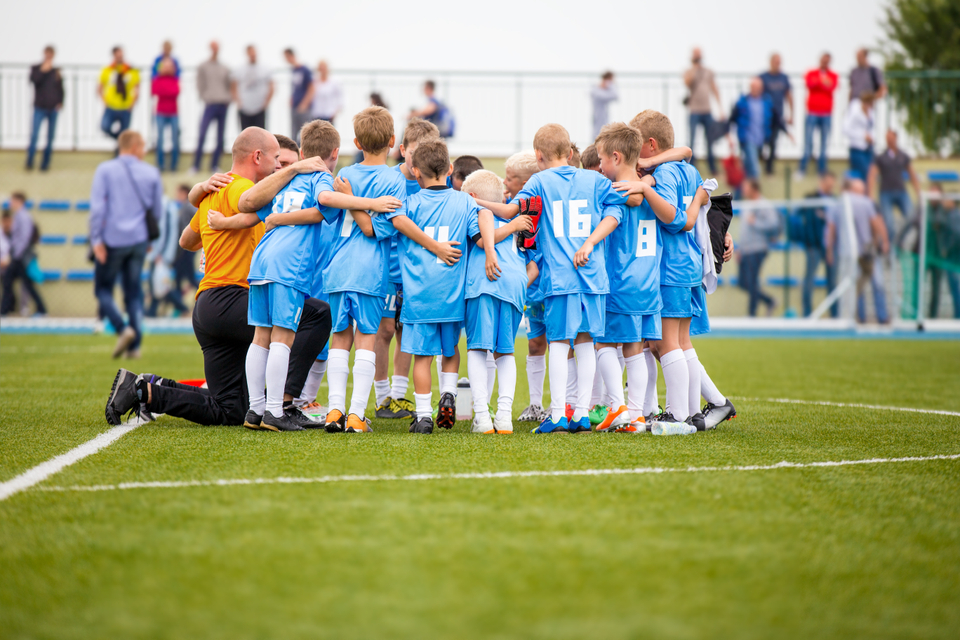
Football’s impact extends far beyond stadiums. Grassroots programs worldwide use the game to teach values like teamwork, discipline, and fair play.
Organizations like FIFA, UNICEF, and various NGOs use football to promote:
-
Education
-
Peace-building
-
Gender equality
-
Health awareness
In conflict zones and disaster-affected regions, football brings communities together and offers a sense of hope and healing.
🏁 Conclusion
Football is more than a sport—it is a universal language. Whether you're a player on the field, a coach on the sideline, or a fan in the stands, football has the power to connect, inspire, and uplift.
Its simplicity, passion, and excitement make it truly the "Beautiful Game", and the most beloved sport in the world.

0 Comments