
Poultry Farming: A Rising Star in Modern Agriculture
Poultry farming is no longer just a rural tradition—it's now a booming global industry. From chickens and ducks to turkeys and geese, poultry farming is all about raising birds for meat and egg production. With growing demand for protein-rich diets, this sector has become a critical contributor to food security, employment, and economic development across the globe.

Whether you're a beginner or just curious, let’s dive into the fascinating world of poultry farming.
A Brief Look at History
Believe it or not, poultry farming has been around for thousands of years. It all began in Southeast Asia with the domestication of chickens. From there, it spread worldwide, gradually evolving from backyard hobby farms to large-scale, high-tech operations.
Thanks to advances in breeding, nutrition, and technology, today's poultry farms are more efficient and productive than ever before.
Types of Poultry Farming
Poultry farming isn’t one-size-fits-all. Depending on your goals, there are a few major types:
🐔 Broiler Farming
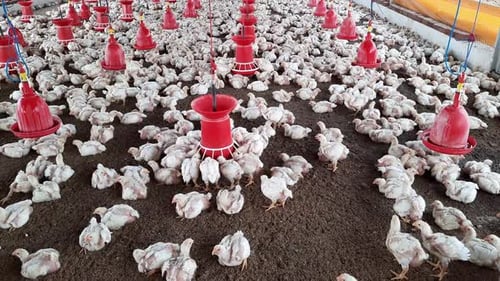
Broilers are chickens raised specifically for meat. They grow quickly and are usually market-ready in just 5–7 weeks. These birds are raised in controlled environments to ensure rapid, healthy growth.
🥚 Layer Farming
Layers are hens raised for egg production. They begin laying eggs around 18–20 weeks of age and can keep producing for over a year. Proper lighting and balanced nutrition are essential for good egg yield.
🏡 Backyard Poultry
Common in rural areas, backyard poultry involves keeping a few birds for family use or local sale. It's low-cost and plays a vital role in rural food security and income generation.

🌿 Organic Poultry Farming
Organic farms raise birds without antibiotics, synthetic feeds, or hormones. Birds are given outdoor access and natural diets. Although costlier to maintain, this method caters to a growing market of health-conscious consumers.
Essential Infrastructure and Farm Setup
Setting up a poultry farm? You’ll need to focus on a few key elements:
🏠 Housing
Birds need safe, clean, and comfortable shelter. Poultry sheds should be ventilated, insulated, and protected from predators and bad weather. Avoid overcrowding to reduce disease risk.
🥗 Feeding and Nutrition
Birds need a balanced diet rich in protein, carbs, vitamins, and minerals. Commercial feed is popular, but small farms may use kitchen waste or custom-mixed options.
💧 Water Supply
Always provide clean drinking water. Dirty or stagnant water is a breeding ground for disease.
🧼 Sanitation and Health
Good hygiene is crucial. Regular vaccinations, proper waste disposal, and biosecurity practices help prevent deadly diseases like avian flu and Newcastle disease.
Why Poultry Farming Matters
Poultry farming is more than a livelihood—it’s an economic engine. Here’s why it’s so important:
-
💼 Income and Employment: Poultry provides jobs to millions, especially in rural and developing areas.
-
🍗 Affordable Protein: Eggs and chicken are affordable, nutritious, and widely accepted across cultures.
-
🌍 Export Potential: Many countries export poultry products, boosting foreign exchange earnings.
Challenges Faced by Poultry Farmers
Like any business, poultry farming comes with its own set of hurdles:
-
Disease Outbreaks: A single outbreak can wipe out entire flocks.
-
High Feed Costs: Feed is the biggest expense in poultry farming. Rising grain prices can hurt profitability.
-
Market Fluctuations: Prices of poultry products vary with seasons, festivals, and policies.
-
Environmental Impact: Waste, water usage, and emissions can harm the environment if mismanaged.
Sustainable Practices for the Future
To keep poultry farming eco-friendly and profitable, sustainability is key:
-
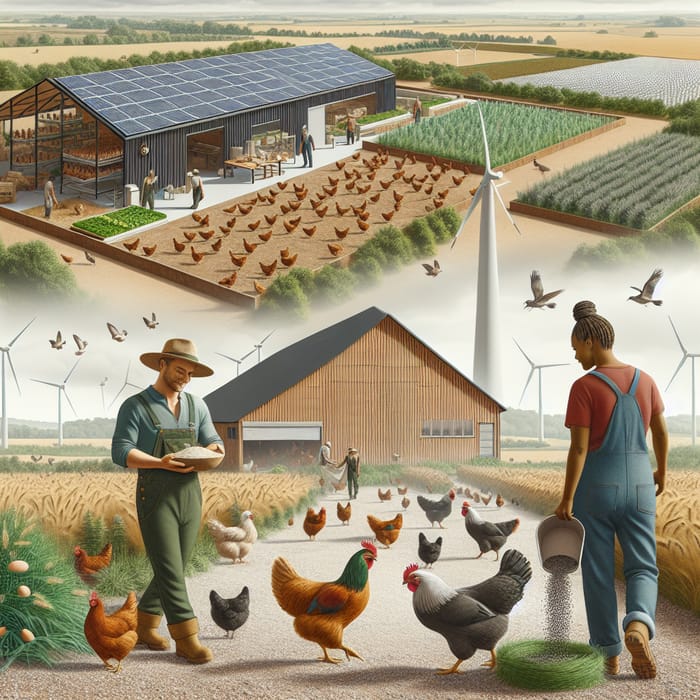
♻️ Waste Management: Convert poultry litter into organic fertilizer for crops.
-
☀️ Energy Efficiency: Use solar panels and energy-saving equipment.
-
💧 Water Conservation: Install efficient water systems and explore rainwater harvesting.
-
🔄 Integrated Farming: Combine poultry with fish or crop farming for multiple income streams and less waste.
What’s Next for Poultry Farming?
The future of poultry farming looks bright. With global demand for meat and eggs on the rise, innovations like automated feeders, smart monitoring, and genetic improvements are making poultry production more advanced and cost-effective.
Support from governments and NGOs—including training programs, subsidies, and veterinary access—is also helping farmers, especially small-scale ones, thrive in this competitive field.

0 Comments