
City Life: A World of Opportunities, Diversity, and Dynamism
City life is defined by continuous movement, vibrant energy, and a broad spectrum of experiences. It offers an exciting lifestyle packed with opportunities for personal growth and professional advancement. Cities are often regarded as the economic, cultural, educational, and creative powerhouses of a nation.

While urban living presents its own challenges, many find the benefits far outweigh the drawbacks — making city life the choice of millions around the world.
Promotion and Opportunities
One of the biggest advantages of living in a city is the abundance of career and educational opportunities. Whether you’re aiming for success in business, technology, media, education, or entertainment, cities provide the perfect launchpad.
Most major corporations, government departments, and international organizations base their headquarters in urban centers. This concentration of industries allows for better access to jobs, internships, and professional networking.

Cities also offer top-tier educational facilities — from prestigious universities and colleges to technical institutes and specialized training centers. This draws students from smaller towns and rural areas who are seeking better academic and career prospects. In turn, these institutions play a vital role in developing skilled individuals and boosting societal growth.
Exposure to Social Life and Diversity
One of the most enriching aspects of city life is its incredible diversity. Cities are cultural melting pots where people from various regions, countries, and backgrounds coexist. This multicultural environment fosters tolerance, understanding, and inclusion.
Urban life is dynamic and socially vibrant. From cinemas, museums, and theaters to concerts, exhibitions, and seasonal festivals — there is never a dull moment. Food lovers can indulge in a range of international cuisines, while shopaholics can explore high-end fashion and cutting-edge technology in malls and local markets.
This diversity of experiences allows individuals to explore new interests, meet different people, and enjoy a socially engaging lifestyle.
Advanced Infrastructure and Modern Services
Compared to rural areas, cities are well-equipped with advanced infrastructure and modern amenities. Transportation is typically more organized and accessible, with buses, trains, subways, and ride-sharing services making commuting easier.

Healthcare is another area where cities excel. Urban areas are home to numerous hospitals, clinics, and medical research centers, often equipped with the latest technology and highly skilled professionals. This gives city residents the peace of mind that quality medical help is always within reach.
Cities also offer better access to basic utilities like clean water, electricity, and fast internet. Modern housing complexes cater to various income groups, allowing individuals and families to choose accommodations that fit their budget and lifestyle.
Innovation and Technological Advancement
Cities are at the forefront of innovation. With the presence of research labs, startup incubators, tech parks, and global companies, urban areas often lead in technological progress.
High population density and rising consumer demand mean that most new technologies, apps, and smart services are tested and launched in cities. From online banking and grocery deliveries to e-learning platforms and virtual healthcare — city dwellers are quick to adopt digital conveniences.
The concept of "smart cities" is becoming a reality in many places, where intelligent traffic systems, automated waste management, and energy-efficient buildings are creating more sustainable urban environments.
Stress and Social Challenges
Despite its allure, city life isn’t without its share of problems. One of the biggest challenges is mental and emotional stress. The fast-paced lifestyle, constant competition, and social pressures can often lead to burnout, anxiety, and feelings of isolation.
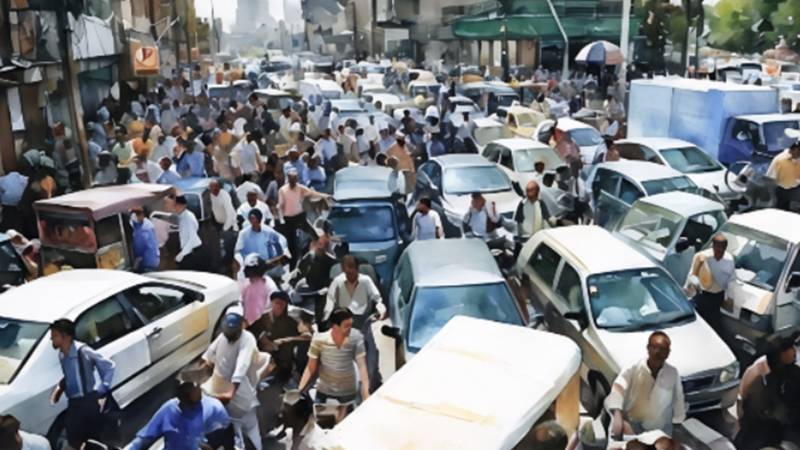
Another concern is the high cost of living. From rent and transportation to dining and leisure — everything comes with a higher price tag. For low-income individuals and families, maintaining a comfortable lifestyle can be difficult. Many find themselves working multiple jobs just to make ends meet.
Additionally, pollution and overcrowding affect the overall quality of life. Heavy traffic, industrial emissions, and noise pollution are daily struggles. Green spaces are limited, which restricts recreational activities and outdoor relaxation.
Security and Crime
Urban areas often see higher crime rates compared to rural settings. Issues such as theft, fraud, and occasionally violent crimes are more common in densely populated environments.

Factors like economic inequality, unemployment, and anonymity in big cities often contribute to these problems.
Although city police and law enforcement agencies work diligently to maintain public safety, it's important for residents to remain vigilant and take basic safety precautions.

0 Comments