
The World of Foods: A Journey Through Taste, Culture, and Nutrition
Food is more than just something we eat—it's part of who we are. From family dinners to festive feasts, food brings people together, tells stories, and nourishes our bodies and souls. Across cultures and continents, the diversity of foods reflects the rich tapestry of our global heritage.

Let’s take a closer look at the types of food we eat, their cultural significance, their role in health, and how our food choices shape the future.
🍎 Types of Food
Understanding different food categories helps us build a healthy, balanced diet. Here are the main food groups:
🥦 Fruits and Vegetables
Packed with vitamins, minerals, and fiber, fruits and veggies are the cornerstone of good nutrition. Think apples, bananas, spinach, carrots, and broccoli—all bursting with natural goodness and disease-fighting antioxidants.
🌾 Grains and Cereals
Grains like rice, wheat, oats, and corn are staple foods worldwide. Whole grains are especially beneficial, helping with digestion and reducing the risk of heart disease and diabetes.
🍗 Proteins
Meat, poultry, fish, eggs, legumes (like lentils and beans), and dairy are great sources of protein. They help build and repair tissues and play a key role in muscle and hormone function.
🧀 Dairy Products
Milk, cheese, and yogurt are rich in calcium and essential for strong bones and teeth. They're especially important for growing children and older adults.
🥑 Fats and Oils
Not all fats are bad! Healthy fats from avocados, nuts, seeds, and olive oil are crucial for brain health and energy. Just be cautious with trans fats and too much saturated fat.
🍰 Sugars and Sweets
Cakes, candies, and soft drinks are tasty but should be enjoyed in moderation. They’re high in calories and low in nutrients—occasional treats rather than daily staples.
🍽️ The Role of Food in Culture
Food connects us to our roots. It reflects where we come from and what we value. Every region has a unique culinary style shaped by history, climate, and tradition.
🌍 A Taste of Global Cuisines
-
Italy brings us pasta, pizza, and olive oil-based dishes.
-
China offers a rich mix of rice, noodles, and aromatic spices.
-
The Middle East showcases flavors like lamb, chickpeas, and flatbreads.
-
South Asia, especially India and Pakistan, offers bold curries, biryani, and spicy lentils.
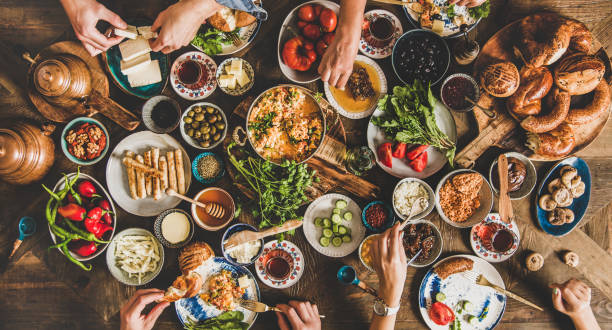
Food is also central to celebrations. In Muslim cultures, Eid is celebrated with delicious sweets like sheer khurma. In the United States, Thanksgiving centers around a family meal with turkey and pie. These traditions reflect unity, love, and heritage.
🥗 Food and Health
What we eat directly affects how we feel and how our bodies function. A healthy, balanced diet can help prevent chronic conditions like obesity, heart disease, and type 2 diabetes.
✔️ Healthy Eating Tips:
-
Load up on fruits and vegetables
-
Opt for whole grains instead of refined ones
-
Drink plenty of water
-
Limit added sugars and salty snacks
-
Cut down on processed and fast food
Unfortunately, malnutrition still exists—whether it's undernutrition due to lack of food or overnutrition from consuming unhealthy options. Striking the right balance is key for a healthy life.
🌾 Food Security and Sustainability
As the global population grows, so does the challenge of feeding everyone. Food security means having reliable access to sufficient, nutritious, and safe food. But that alone isn’t enough—we also need sustainability.
🌱 How to Make Food Choices That Matter:
-
Support organic farming
-
Buy local and seasonal produce
-
Reduce food waste by planning meals and using leftovers
-
Choose plant-based options more often
By being mindful of how our food is grown, processed, and distributed, we help protect both people and the planet.
⏳ The Evolution of Food
Thanks to globalization and modern technology, our food landscape has transformed. Supermarkets now carry foods from all corners of the world. Fast food chains offer quick meals, but often at the expense of health.
At the same time, the slow food movement is making a comeback. People are rediscovering the joys of:
-
Cooking from scratch
-
Visiting local farmers' markets
-
Choosing natural, unprocessed ingredients

There’s a growing awareness about where our food comes from and how it's made—a positive shift toward healthier, more conscious living.
💖 The Emotional Connection to Food
Food isn’t just physical—it’s emotional. Certain dishes can bring back childhood memories or provide comfort during tough times.
Think of:
-
A warm bowl of soup on a rainy day
-
Your grandmother’s homemade bread
-
The joy of baking cookies with your kids
During the COVID-19 pandemic, many people turned to home cooking. It became a way to relax, bond with family, and find joy in everyday moments.
🌟 Final Thoughts
Food is more than nutrition—it’s life. It reflects our culture, supports our health, and brings people together. By making thoughtful choices about what we eat and how we eat it, we can celebrate our heritage, stay healthy, and protect our planet.

0 Comments