
Sultan Mehmed Fatih: The Conqueror of Constantinople
Introduction
Sultan Mehmed II, widely known as Mehmed the Conqueror (Fatih Sultan Mehmed), remains one of the most iconic and respected leaders in both Islamic and world history. His conquest of Constantinople (Qustuntunya) in 1453 marked the end of the Byzantine Empire and established the Ottoman Empire as a major global force.
Early Life and Education
Mehmed was the son of Sultan Murad II and was born on March 30, 1432, in Edirne, which was the Ottoman Empire's capital at the time. From a young age, he displayed remarkable intelligence and leadership qualities.
He received a comprehensive education, studying science, mathematics, theology, and military strategy. He also became fluent in several languages, including Arabic, Persian, Greek, and Latin.
His early exposure to politics came when he briefly ruled as sultan during his father’s temporary abdication. In 1451, following the death of Sultan Murad II, Mehmed took the throne permanently at the age of 19.
The Dream of Conquering Constantinople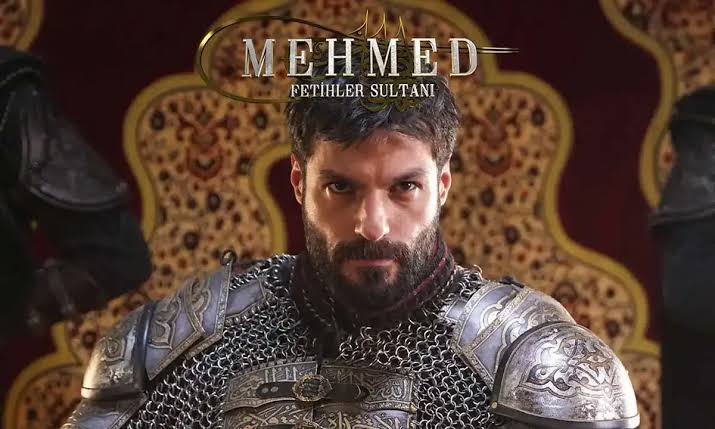
One of Mehmed’s greatest ambitions was to conquer Constantinople, a dream inspired by a hadith of Prophet Muhammad (PBUH):
“Verily you shall conquer Constantinople. What a wonderful leader will he be, and what a wonderful army will that army be.”
Despite numerous attempts by Muslim rulers, Constantinople remained unconquered for over a thousand years. Strategically located between Europe and Asia, it was seen as both a political and spiritual prize.
The Infamous Siege
At just 21 years old, Mehmed began preparing for one of the most ambitious military campaigns in history. He assembled a massive army estimated at over 100,000 soldiers and built a powerful navy.
One of his most impressive innovations was the use of giant cannons, especially the famous "Basilica" cannon, capable of breaking through the city’s mighty walls.
The siege began on April 6, 1453, and lasted 53 days. Despite strong resistance, the Ottoman forces eventually breached the walls, and on May 29, 1453, Constantinople fell.
A New Era Has Begun
After entering the city in triumph, Mehmed performed prayers in the Hagia Sophia, which he then converted into a mosque. This act marked the beginning of a new era—not just for the Ottomans, but for the entire Muslim world.
Mehmed was granted the title "Fatih", meaning "the Conqueror".
He then led a major transformation of the city. He renamed it Istanbul, made it the capital of the Ottoman Empire, and encouraged people from various ethnic and religious backgrounds to settle there. He also rebuilt the city’s infrastructure and upheld religious tolerance, allowing Christians and Jews to practice their faiths freely.
Legacy of Sultan Mehmed Fatih
Sultan Mehmed ruled until his death in 1481. Under his reign, the Ottoman Empire became more powerful, centralized, and sophisticated. He was not only a great military leader but also a patron of knowledge, architecture, and the arts.
Today, Fatih Sultan Mehmed is remembered not only as a conqueror but also as a visionary, a symbol of determination, and a builder of civilizations. His conquest of Constantinople remains one of the most significant milestones in world history.

0 Comments