
Kabaddi: The Traditional Sport of Strength and Strategy
Kabaddi, a traditional South Asian sport, is a unique combination of strength, agility, and strategic thinking. With its deep roots in ancient Indian culture, kabaddi has grown from a rural pastime into a globally recognized sport, especially popular in India, Pakistan, and other Asian nations. Often called the "game of the masses," kabaddi is known for its fast pace, thrilling action, and physical intensity.
History and Origin of Kabaddi
The name kabaddi is derived from the Tamil word “kai-pidi,” meaning “to hold hands.” The origins of the sport date back over 4,000 years, with references found in ancient Indian epics like the Mahabharata.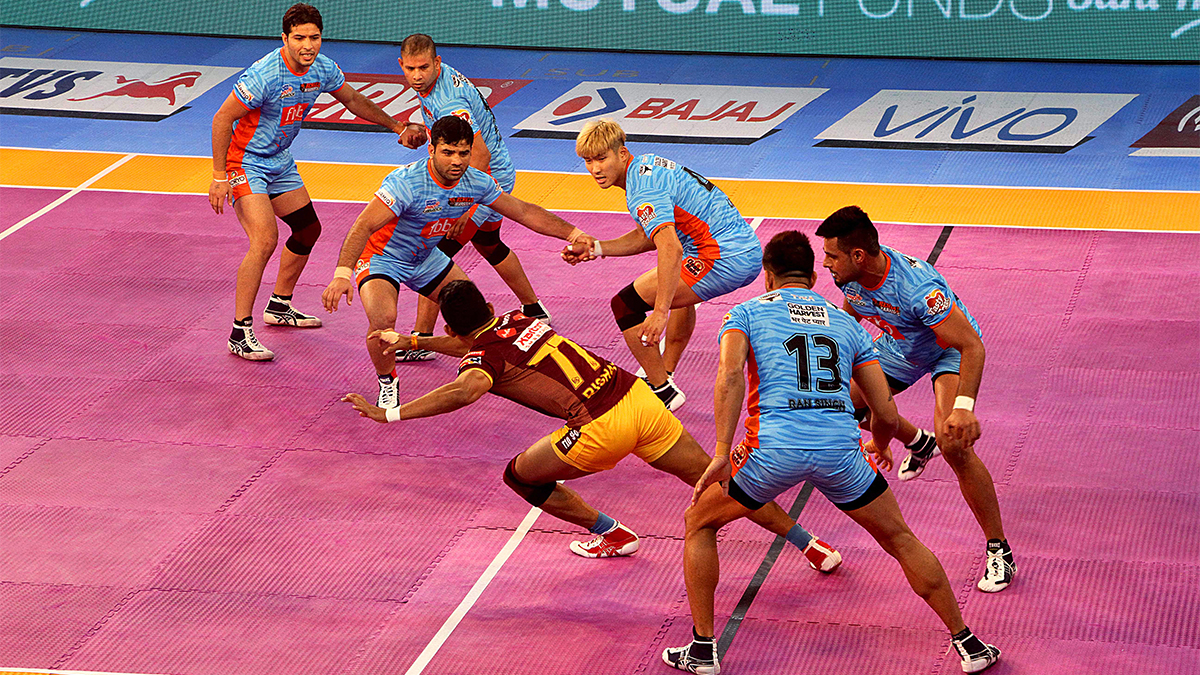 Originally played in villages as a form of training and entertainment, kabaddi’s journey from a traditional game to a professional sport has been remarkable. Today, kabaddi is played at the Asian Games and has its own professional league—the Pro Kabaddi League, which has greatly increased the sport’s visibility.
How Kabaddi Is Played
Kabaddi is played between two teams of seven players on a rectangular court. One player, known as the "raider," enters the opposing team's half and tries to tag as many defenders as possible—all while chanting “kabaddi, kabaddi” without taking a breath. The raider must return to his side safely to earn points. If caught by the defenders before returning, the point goes to the defending team.
This simple yet challenging objective makes kabaddi a test of skill, speed, endurance, and mental strategy. Raiders must use quick footwork and sharp thinking, while defenders rely on teamwork and timing to trap the raider. Techniques like chain tackles, ankle holds, and coordinated blocks are vital to the game's defensive strategy.
Types of Kabaddi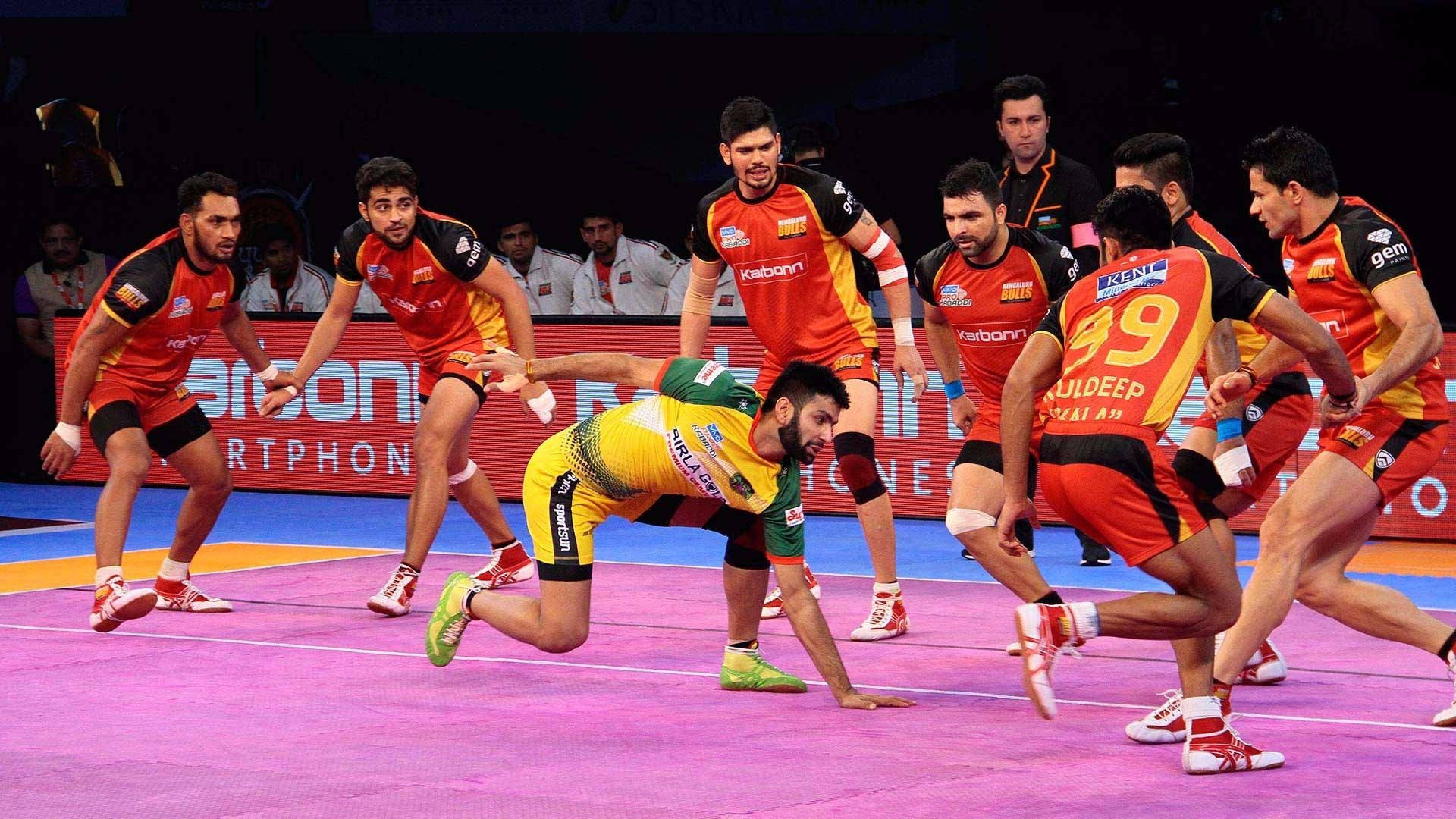
Kabaddi is played in several forms:
-
Standard Style – Played indoors on a rectangular court (used in professional leagues and Asian Games).
-
Circle Style – Played on a circular field, common in Punjab and rural areas.
-
Beach Kabaddi – Played on sand with slight variations in rules.
Kabaddi in Modern Times
The launch of the Pro Kabaddi League in India revolutionized the sport by introducing modern production, live commentary, advanced statistics, and international broadcasts. These developments made kabaddi more engaging for a broader audience and helped it gain popularity across the world.
In Pakistan, kabaddi remains a beloved rural sport, especially in Punjab. Local and inter-village competitions attract large crowds, and the sport is a source of pride and cultural unity. Pakistan’s national kabaddi team has performed admirably in international competitions, earning medals in the Asian and South Asian Games.
More Than a Game
Kabaddi is more than just a sport—it is a symbol of tradition, community, and resilience. It promotes physical fitness, teamwork, discipline, and national pride. With ongoing efforts to include kabaddi in the Olympic Games, its global appeal is expected to grow even further.
Conclusion
In conclusion, kabaddi is a thrilling and culturally rich sport that reflects the spirit of South Asian athleticism. Its combination of physical strength and strategic depth continues to captivate audiences around the world. As kabaddi gains more international recognition, it remains a proud emblem of tradition, unity, and excellence.

0 Comments