
Billiards: The Classic Game of Precision and Strategy
Billiards is a timeless cue sport that has captivated players and fans around the world for centuries. Known for its elegance, precision, and mental challenge, billiards has grown into several distinct forms — including pool, snooker, and carom — each with its own unique rules and playing styles. Played on a rectangular table with a set of balls and a cue stick, billiards combines physical skill with strategic thinking.
A Brief History of Billiards
The origins of billiards can be traced back to 15th-century Europe, where it began as an outdoor lawn game similar to croquet. Eventually, it moved indoors and was played on a table covered in green cloth to mimic the grass surface. The game quickly gained popularity among the nobility, including famous historical figures like King Louis XIV of France and Mary, Queen of Scots.
By the 19th century, billiards had spread across continents and evolved into various forms, becoming both a popular recreational activity and a respected competitive sport.
Different Types of Billiards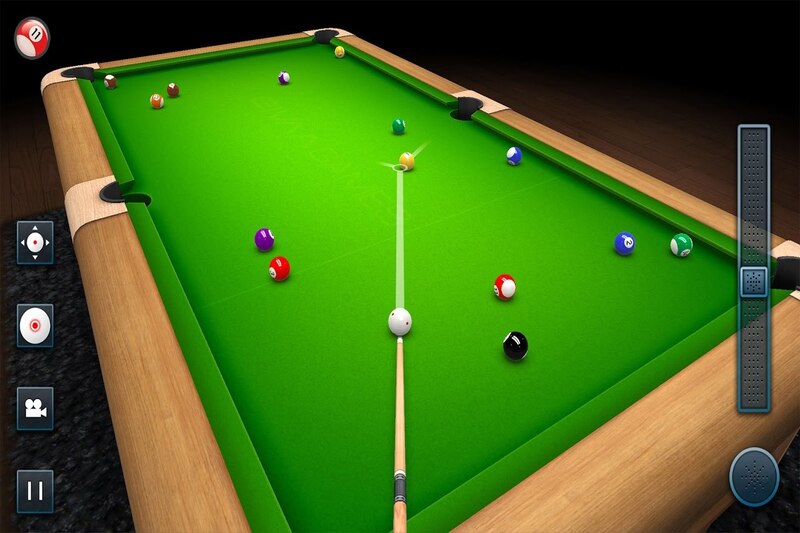
Billiards isn't just one game — it's a family of cue sports, each with its own appeal and rules. Here are the most well-known variations:
Carom Billiards
This version is played on a pocketless table using three balls. The main goal is to hit the cue ball so that it contacts both of the other two balls in a single shot. Success in carom billiards relies heavily on angle calculation and precise control.
Pool
Pool is the most commonly played form of billiards, especially in the United States and parts of Asia. Played on a six-pocket table, popular versions include 8-ball and 9-ball. Pool is a favorite in bars, clubs, and professional tournaments alike.
Snooker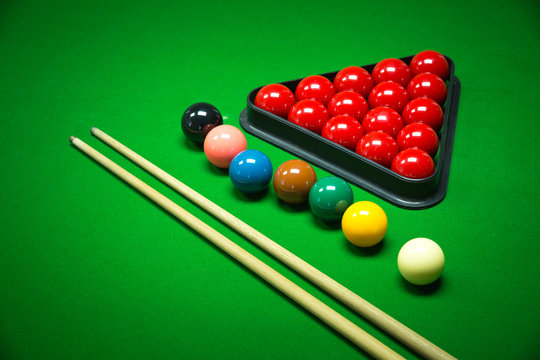
Originating in British India, snooker is played on a larger table with 21 colored balls and a cue ball. It’s known for its complexity and depth of strategy. Precision, patience, and foresight are crucial in mastering snooker.
Equipment and Table Setup
A standard billiards table is rectangular and covered with green felt. It’s surrounded by rubber cushions that help in banking shots. Cue sticks, typically made of wood or fiberglass, are used to strike the cue ball. Ball size and color vary based on the type of game being played.
To excel at billiards, players need a steady hand, good aim, and a well-calculated sense of power. Positioning, timing, and shot selection are key.
Skills and Strategic Gameplay
Billiards is often compared to chess because of its mental demands. It’s not just about potting balls into pockets — it’s about thinking several steps ahead. Players must understand spin (often referred to as "English"), angle control, and cue ball positioning to maintain an advantage.
Techniques like banking, cushioning, draw shots, and safety plays require years of practice and precision to master.
Billiards Today
Today, billiards enjoys a strong global following. International tournaments and championships are held in countries like the UK, USA, China, and Pakistan, producing many world-class players.
Apart from the professional scene, billiards remains a favorite pastime in social clubs, lounges, and homes. Whether played casually among friends or at a competitive level, billiards continues to entertain and challenge players of all ages.

0 Comments