
Barbarossa: The Red-Bearded Legend of the Sea
When we think of legendary naval commanders, one name that stands tall across history is Barbarossa — the fierce and fearless admiral who turned the Mediterranean into an Ottoman lake during the 16th century. But who was this red-bearded warrior of the seas, and how did he rise from pirate raids to commanding the most powerful fleet of his time? Let’s dive into the remarkable story of Hayreddin Barbarossa, the man behind the myth.
From Khizr to Barbarossa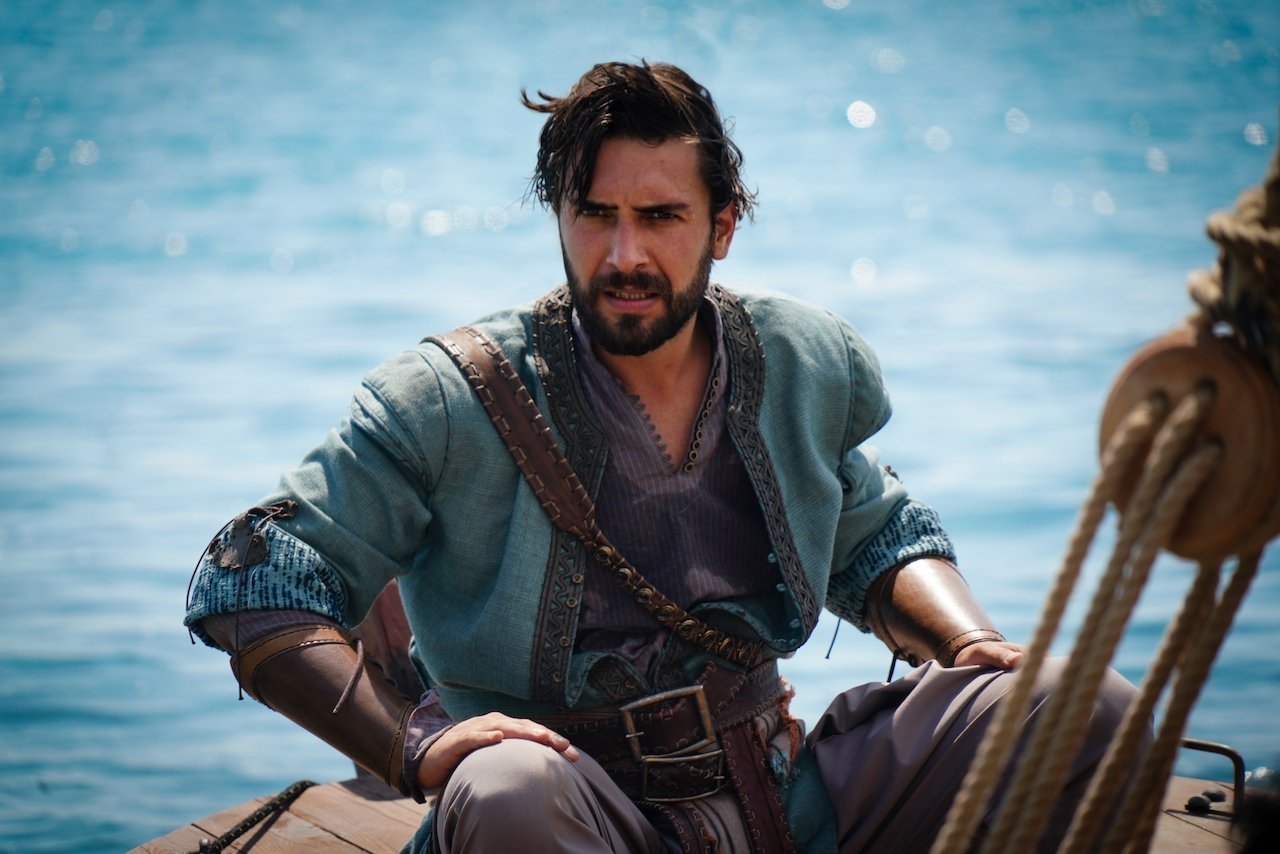
Born around 1478 on the island of Lesbos, then part of the Ottoman Empire, Barbarossa’s original name was Khizr (or Khidr). He was one of four brothers, but it was with his elder brother Aruj that he would start a journey into history.
Together, the two began their careers as corsairs, or privateers, launching daring raids on European merchant ships and coastal towns. Their main targets were Spanish and Portuguese vessels that dominated the seas at the time. Aruj was the first to earn the nickname “Barbarossa” — Italian for “Red Beard” — and after his death in battle in 1518, Khizr inherited not only the nickname but also the mission.
Algiers and the Rise of an Empire
After Aruj’s death in a battle against the Spanish in Algiers, Khizr made a bold move: he offered Algiers to Sultan Selim I of the Ottoman Empire. This act brought much of North Africa under Ottoman control, and in return, Khizr was appointed Beylerbey (Governor-General) of Algiers.
This alliance marked the official start of Barbarossa’s naval career under the Ottoman flag — and it was only the beginning.
Victory at the Battle of Preveza (1538)
Barbarossa’s most famous moment came in 1538 at the Battle of Preveza, where he led the Ottoman navy against the Holy League — a coalition of Spanish, Venetian, and Papal forces.
Despite being outnumbered, Barbarossa used masterful tactics and deep knowledge of the sea to decisively defeat the enemy fleet. This legendary victory gave the Ottoman Empire naval supremacy in the eastern Mediterranean for decades, securing trade routes and coastal defenses.
Master of the Ottoman Navy
As Kapudan Pasha (Grand Admiral), Barbarossa wasn’t just a war hero — he was an innovator. He built modern shipyards, trained sailors in advanced techniques, and developed swift and heavily armed ships that outclassed their European rivals.
Under his command, the Ottoman navy became a maritime powerhouse, launching successful raids on Italy, France, and Spain, and bringing back immense riches and captives. His name struck fear across European coastlines.
A Diplomat as Well as a Warrior
Barbarossa also knew how to play the political game. He forged a remarkable alliance with France during the reign of Francis I, as both powers opposed the growing threat of the Habsburg Empire under Charles V. This Christian-Muslim alliance was rare and bold, showing that Barbarossa’s talents extended far beyond the battlefield.
Legacy of a Legend
In his later years, Barbarossa retired in Istanbul, where he died in 1546. His tomb, located in Besiktas, is still honored today — every Turkish naval officer pays tribute there before setting sail.
His life has been immortalized in books, films, and Turkish naval tradition, and he remains a lasting symbol of courage, leadership, and seafaring mastery.
Final Thoughts

Barbarossa’s story is more than a tale of war and conquest — it's the story of how one man rose from humble beginnings to shape the fate of an empire. His fearless command, strategic genius, and lasting influence make him not only a hero of Ottoman history but a true legend of the seas.

0 Comments