
Village Life: A World of Simplicity, Peace, and Community
Introduction
Village life is often regarded as the purest form of living, far removed from the noise, stress, and rapid pace of city life. It offers a lifestyle that is grounded in simplicity, peace, and strong community ties.
Closely connected to nature, tradition, and shared values, villages form the cultural and agricultural foundation of many countries—especially in regions like South Asia, Africa, and Latin America.
Nature and Environment
One of the most captivating aspects of village life is its closeness to nature. Villages are typically surrounded by lush green fields, rivers, mountains, and forests. The air is crisp, the water is clean, and the natural surroundings remain mostly untouched by modern pollution.
Daily life in a village is accompanied by the sounds of birds chirping, cows grazing, and farmers working the fields. Sunrises and sunsets are particularly stunning, unspoiled by smog or tall city buildings. These scenes bring a deep sense of calm and refreshment.
This connection to the natural world not only benefits physical health but also nourishes the soul. Fewer vehicles and less industrial activity contribute to a cleaner environment, while the fresh, often home-grown food supports a healthier lifestyle. Physical activity, fresh air, and balanced diets reduce the risk of many modern-day health issues.
Community and Relationships
Village life is built on strong community bonds. Everyone knows one another, and relationships are rooted in trust, cooperation, and shared responsibility. Whether it’s a wedding celebration, a harvest season, or helping rebuild a neighbor’s house, the whole village participates as a collective family.
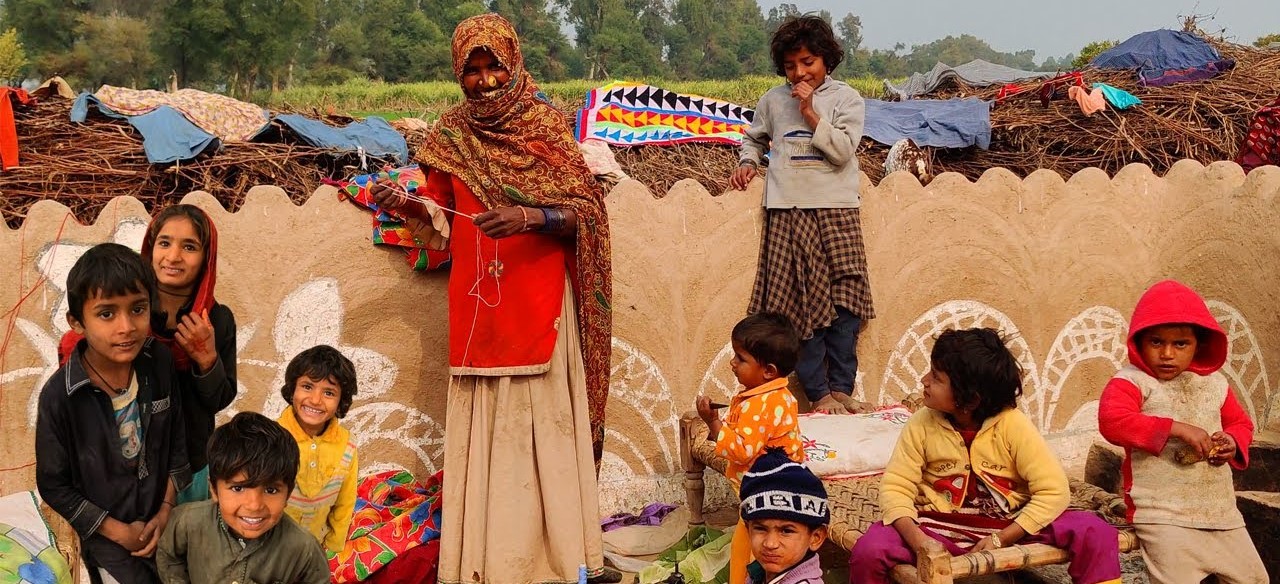
Unlike the isolation that sometimes accompanies urban living, villages are places where children grow up learning the values of respect, empathy, and teamwork. Elders are highly respected and play a central role in guiding the younger generation. This strong sense of belonging fosters emotional stability and mental well-being.
Simplicity and Contentment
Simplicity defines village life. Most villagers lead modest lives with access to basic, essential amenities. They may not possess luxurious cars or cutting-edge gadgets, but they live with contentment and gratitude.

People work hard during the day and spend their evenings sharing stories, singing folk songs, or enjoying each other’s company under starlit skies. The slower pace of life allows people to appreciate the moment and live mindfully. Unlike city living, where time often equals money, village life emphasizes patience, human connection, and harmony with nature.
Agriculture and Livelihood
Agriculture is the backbone of most villages. The entire cycle—from sowing seeds to harvesting crops—is a tradition that runs deep through generations. Farming is more than just a profession; it is a way of life.

In addition to farming, many villagers engage in animal husbandry, fishing, weaving, and pottery. While income may be limited, village life offers a degree of self-sufficiency that reduces dependence on outside markets. Many households grow their own vegetables, milk their cows, and prepare food using fresh, local ingredients—promoting sustainability and resilience.
Culture and Tradition
Villages are rich in culture and tradition. Every village has its own unique customs, folk songs, dances, and rituals, often passed down over centuries. Seasonal festivals, weddings, and religious ceremonies are celebrated with color, enthusiasm, and unity.

Traditional craftsmanship, local cuisines, and distinctive clothing are expressions of cultural pride. These cultural elements not only bind the community but also attract urban tourists who seek authentic, rustic experiences. The preservation of these traditions is vital to a nation's heritage.
Challenges of Village Life
Despite its many advantages, village life is not without difficulties. Access to healthcare, quality education, and employment opportunities remains limited in many rural areas. Infrastructure like roads, electricity, and internet connectivity is often unreliable or entirely absent in remote villages.
As a result, many young people migrate to urban centers for better opportunities. This trend not only contributes to a declining village population but also threatens the preservation of traditional knowledge and customs. Moreover, farmers face numerous challenges, including water shortages, climate change, and poor market prices for their crops.
The Way Forward
Improving village life doesn't mean turning it into city life. The goal should be to enhance basic facilities while preserving the beauty, culture, and essence of rural living.

Governments and NGOs can play a pivotal role by investing in schools, clinics, roads, and digital connectivity, all while respecting local traditions. Technology, when used wisely, can uplift rural economies. Solar energy, mobile-based farming tools, and rural e-commerce platforms can bring financial growth without disrupting traditional lifestyles.

0 Comments