
The Suzuki Alto: A Small Icon of Practicality and Efficiency
When it comes to compact cars that have made a significant global impact, the Suzuki Alto stands out as a true icon. Known for its practicality, efficiency, and affordability, the Alto has earned a strong reputation in both developed and developing nations. From its humble beginnings to its current advanced models, the Alto remains a top choice for urban mobility.
Origins and Progress
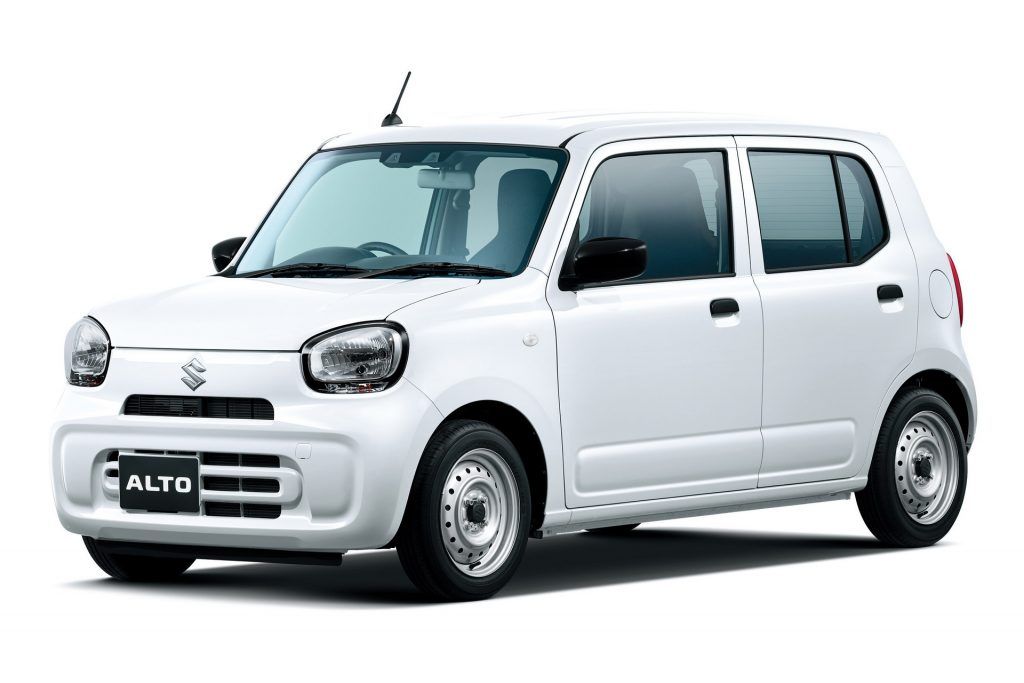
The Suzuki Alto first made its debut in Japan in 1979. At that time, Japan's automotive industry was responding to an increasing demand for small, fuel-efficient vehicles. Rising fuel prices and crowded city streets created a perfect environment for a compact car like the Alto. Designed to comply with Japan's Kei car regulations — which offer tax and insurance benefits for small, low-emission vehicles — the Alto quickly captured attention.
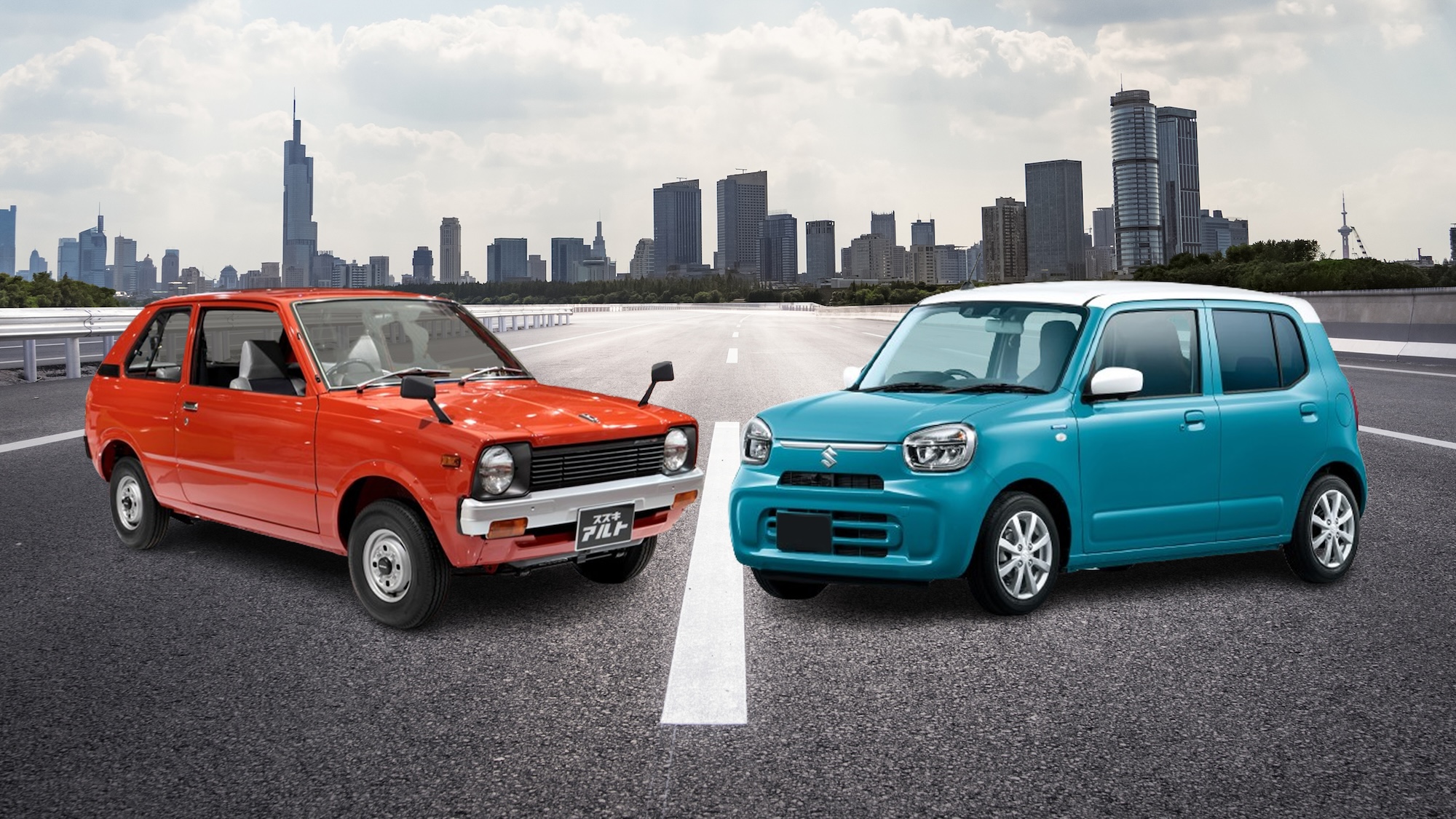
The initial model came equipped with a modest 543cc engine, making it extremely fuel-efficient and affordable. Its simple design, low operating costs, and practicality helped it gain popularity not only in Japan but also internationally. Soon, Suzuki realized the Alto's global potential and expanded its reach to markets in Pakistan, India, Europe, and various parts of Africa.
Popularity in Sub-Saharan Africa and South Asia
Although the Alto gained global recognition, its influence was especially strong in developing nations. In countries such as Pakistan, India, Bangladesh, and Sri Lanka, the Alto filled a critical gap in the automotive market. It offered an affordable option for middle-class families, small business owners, and first-time car buyers.

For instance, in Pakistan, Suzuki introduced locally manufactured versions of the Alto, which quickly became highly popular. For many people, owning a Suzuki Alto meant gaining independence and mobility that was previously unattainable. The vehicle's straightforward mechanics and wide availability of spare parts made it easy and inexpensive to maintain, further enhancing its appeal.
Engineering and Design Evolution
The Alto’s design philosophy has always been centered on simplicity, practicality, and efficiency. Throughout its various generations, Suzuki has made numerous updates to keep up with technological advancements and changing customer preferences.

The earliest models featured boxy designs typical of the late 1970s and early 1980s, focusing on maximizing interior space within compact exterior dimensions. Over the years, Suzuki introduced sleeker designs, improved aerodynamics, and modern features to keep the Alto competitive.
Despite its small size, the Alto has always managed to offer a surprisingly spacious interior. Its tall roofline, clever space utilization, and compact engine bay allow for ample headroom and legroom. Many models also come with foldable rear seats, providing additional cargo space when necessary.

Under the hood, the Alto is typically equipped with small-displacement engines ranging from 660cc to 1000cc, depending on the market and regulations. These engines prioritize fuel efficiency over performance. However, thanks to advancements like multi-point fuel injection, variable valve timing, and lightweight construction, newer models offer improved performance without sacrificing fuel economy.
Environmental and Fuel Economy Considerations
One of the Alto's standout features has always been its excellent fuel economy. In an era of rising fuel prices and increasing environmental awareness, the Alto offers a perfect solution for budget-conscious and eco-friendly drivers. Depending on maintenance and driving conditions, many models achieve impressive fuel economy ratings of 20–25 km/l or even higher.

Suzuki has also made significant efforts to reduce the Alto's environmental impact. Newer models often meet stricter emissions standards and incorporate features such as engine start-stop systems, improved aerodynamics, and more efficient transmissions to minimize fuel consumption and emissions.
Safety Features
While early models of the Alto offered basic safety features, recent versions have seen significant improvements. Modern Altos are equipped with safety features such as airbags, anti-lock braking systems (ABS), electronic brake-force distribution (EBD), and, in some markets, advanced driver assistance systems (ADAS). These upgrades reflect the growing global emphasis on vehicle safety, even within the compact car segment.

Economic Impact and Market Position
The Alto’s affordability not only makes it popular among individual buyers but also has a broader economic impact. In countries like Pakistan and India where the Alto is assembled locally, its production supports job creation, industrial growth, and foreign exchange savings by reducing the need for imported vehicles.

Moreover, the Alto's popularity has given rise to related industries, including spare parts manufacturing, service centers, and thriving resale markets. The Alto’s strong resale value also makes it a smart investment for many car owners, further cementing its reputation as a reliable and economical choice.
Market Competition and Challenges
Despite its enduring popularity, the Alto faces stiff competition from other manufacturers producing similarly affordable and compact vehicles. Rivals like the Hyundai Santro, Kia Picanto, and various Chinese automakers have entered the market, offering modern features at competitive prices.

Nevertheless, the Alto has managed to maintain a strong market share thanks to its well-established reputation, widespread service network, and loyal customer base. Suzuki’s ongoing commitment to innovation and responsiveness to consumer needs ensures that the Alto continues to remain a top contender in the compact car segment.

0 Comments