
Palestine: Land of History, Struggle, and Resilience
Palestine is a land that holds deep historical, religious, and cultural significance. Nestled at the crossroads of Asia and Africa, bordered by Israel, Jordan, and Egypt, it has been the cradle of ancient civilizations and the heart of religious traditions for thousands of years. Today, however, the word Palestine is also synonymous with one of the world’s most complex and enduring conflicts — the Israeli-Palestinian conflict.
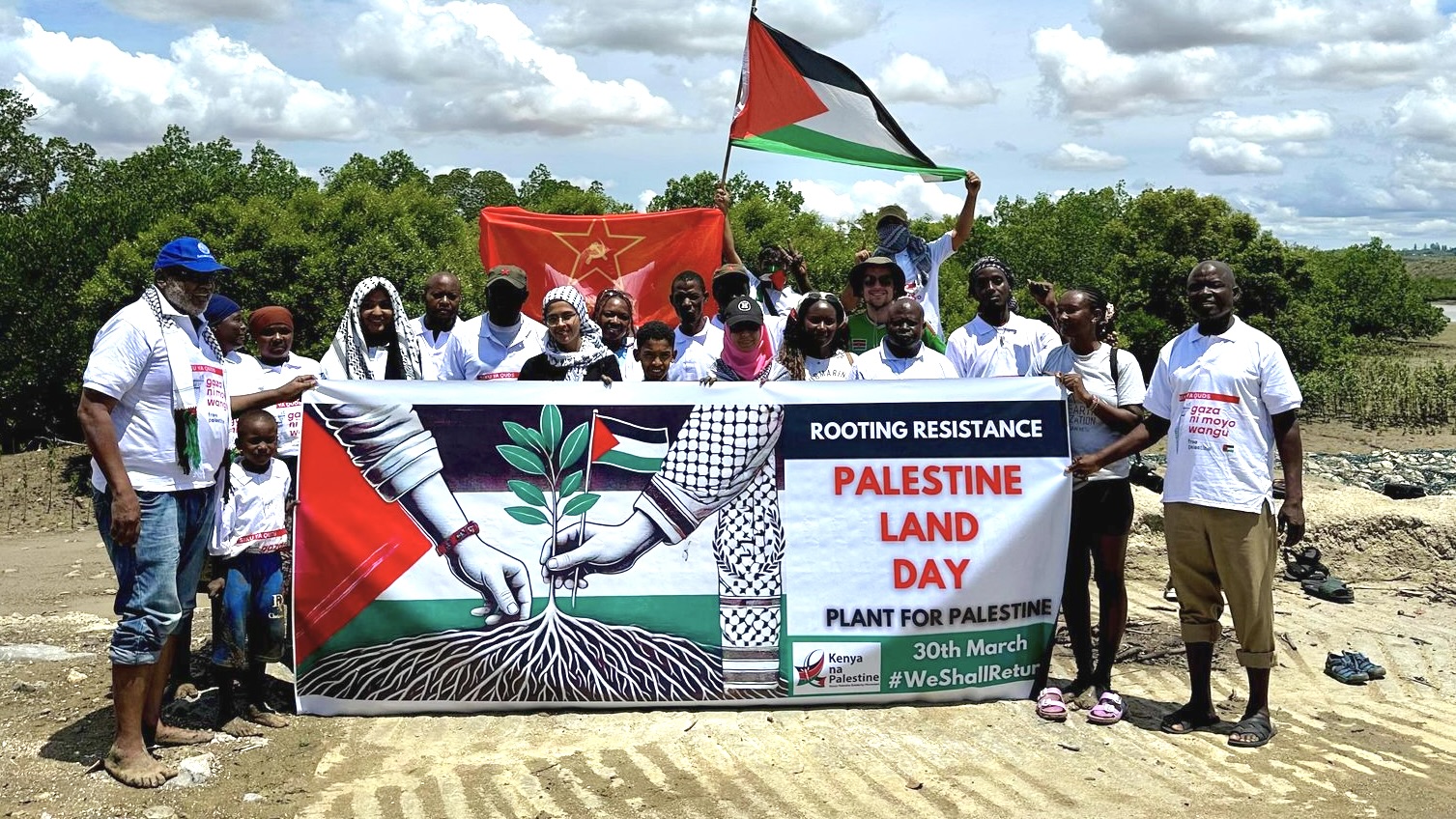
The story of Palestine is one of identity, exile, resistance, and hope. This article explores the historical roots, cultural richness, political struggles, and the continuing quest for justice and peace in Palestine.
A Land of History and Spiritual Significance
Palestine’s history stretches back thousands of years, earning it the title of the "Holy Land." It is sacred to the three major monotheistic religions — Judaism, Christianity, and Islam. Cities such as Jerusalem, Bethlehem, Hebron, and Nablus have long served as cultural and spiritual centers.
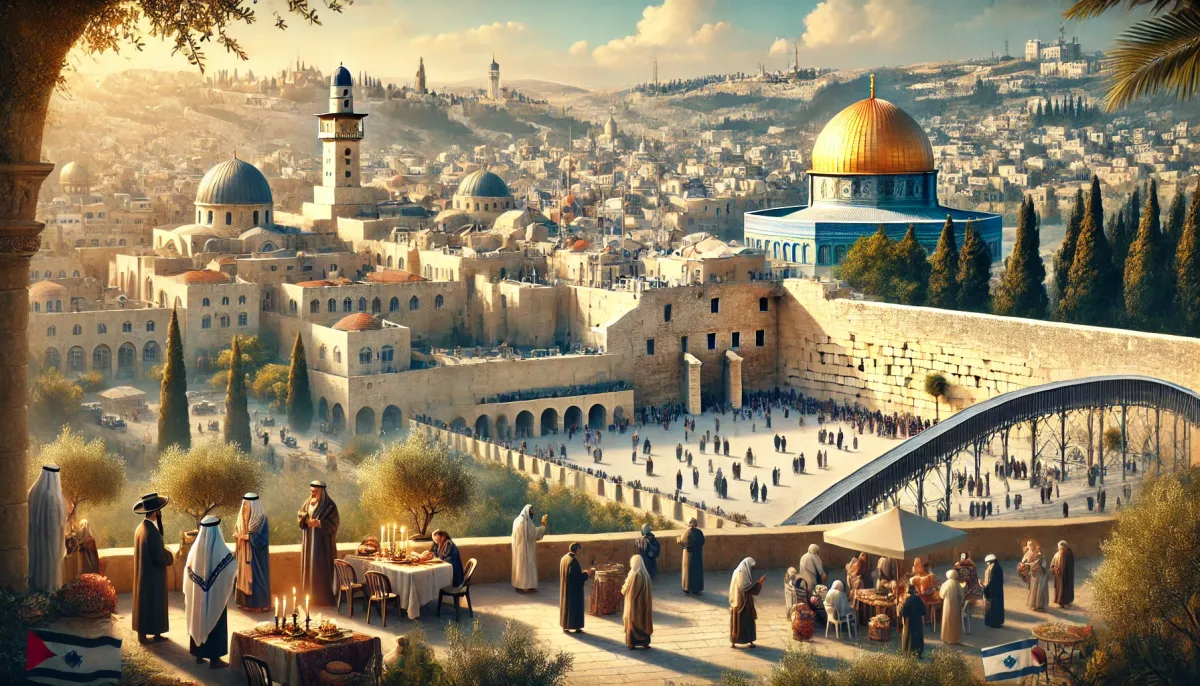
Throughout history, the region was ruled by numerous empires: Egyptians, Assyrians, Babylonians, Greeks, Romans, Byzantines, and Ottomans. For centuries, Muslims, Christians, and Jews coexisted in this land, shaping its diverse heritage. However, the fall of the Ottoman Empire and the imposition of British colonial rule after World War I changed the course of Palestine's modern history.
The British Mandate and the Rise of Conflict
Following World War I, the League of Nations granted Britain control over Palestine. During this time, Britain made conflicting promises to both Jews and Arabs. The Balfour Declaration of 1917 supported the establishment of a “national home for the Jewish people” in Palestine, despite the region’s majority Arab population.
As Jewish immigration surged in the 1920s and 1930s, tensions escalated. Palestinian Arabs feared the loss of their land and identity, while Zionist movements sought to establish a Jewish state. Riots, uprisings, and increasing violence marked this period, setting the stage for decades of conflict.
The 1948 War and the Nakba
In 1947, the United Nations proposed a partition plan to divide Palestine into separate Jewish and Arab states, with Jerusalem under international administration. While the Jewish leadership accepted the plan, the Arab side rejected it, arguing that it violated the rights of the Palestinian majority.

When Israel declared independence in 1948, neighboring Arab states intervened. The war ended in a decisive Israeli victory, but with devastating consequences for Palestinians. Over 700,000 Palestinians were expelled or fled, and hundreds of villages were destroyed — an event remembered as the Nakba, or “catastrophe.”
Today, millions of Palestinian refugees remain displaced across the Middle East.
Life Under Occupation
Following the 1967 Six-Day War, Israel occupied the West Bank, East Jerusalem, and the Gaza Strip — territories that Palestinians view as the core of their future state. Since then, Palestinians have lived under Israeli military occupation, facing restrictions on movement, home demolitions, arrests, and economic hardship.
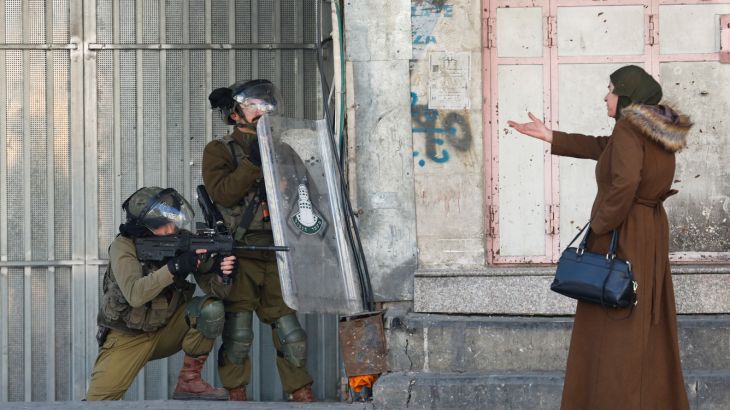
The expansion of Israeli settlements in the West Bank — considered illegal under international law — has fragmented Palestinian lands and further complicated peace efforts. Meanwhile, Gaza, ruled by Hamas since 2007, remains under a harsh blockade by both Israel and Egypt. The humanitarian crisis in Gaza is dire, with high unemployment, poverty, and limited access to clean water, electricity, and healthcare.
Palestinian Culture and Identity
Despite decades of conflict and displacement, Palestinians have preserved a rich cultural identity. Traditional embroidery (tatreez), folk music, poetry, and the energetic dabke dance remain powerful expressions of their heritage.
Palestinian literature, especially by poets like Mahmoud Darwish, speaks of exile, resistance, and dreams of return. Hospitality, strong family bonds, and a sense of resilience define the Palestinian spirit — both in the homeland and across the global diaspora.
Peace Process and the Elusive Two-State Solution
Several efforts have been made to resolve the conflict. The most prominent was the Oslo Accords in the 1990s, which led to the creation of the Palestinian Authority (PA) and granted limited self-rule in parts of the West Bank and Gaza. The ultimate goal was a two-state solution — a sovereign Palestinian state alongside Israel.

However, ongoing violence, mutual distrust, settlement growth, and political divisions have stalled the process. Internal rifts between Hamas in Gaza and Fatah in the West Bank have further weakened the Palestinian position in negotiations.
International Recognition and Ongoing Struggles
Over 130 countries recognize Palestine as a state. In 2012, the United Nations General Assembly granted Palestine non-member observer state status — a symbolic but significant step.
Still, the struggle continues. Palestinians face daily challenges: displacement, checkpoints, home demolitions, and limited access to essential services. Yet, many remain committed to non-violent activism, diplomatic engagement, and preserving their national identity.
Conclusion: A Fight for Justice and Peace
Palestine is more than a territory; it is a powerful symbol of resistance, heritage, and hope. Its people have endured immense hardships — yet they continue to stand with dignity and determination.

A peaceful and just future for Palestine requires international support, political courage, and recognition of Palestinians' fundamental rights. Until a lasting solution is achieved, the issue of Palestine will remain central to the peace and politics of the Middle East.

0 Comments