
Pakistan's Armed Forces: A Foundation for National Defense and Resilience
The Pakistan Army, officially known as the Pakistan Army (PA), is the principal land warfare branch of the Pakistan Armed Forces. Since its establishment in 1947, following the partition of British India, the Army has played a vital role in safeguarding the nation's sovereignty.

Over the decades, it has not only protected Pakistan's borders but has also contributed to internal stability, disaster relief, and peacekeeping missions abroad. Deeply woven into the political, social, and economic fabric of the country, the Pakistan Army remains a key institution in shaping the nation’s past, present, and future.
Historical Background
The formation of the Pakistan Army coincided with the independence of Pakistan on August 14, 1947. It was created by dividing the British Indian Army between the newly formed states of India and Pakistan. At its inception, Pakistan inherited limited military resources—few trained officers, modest equipment, and underdeveloped infrastructure. Despite these initial challenges, the Army rapidly reorganized under the command of experienced officers who had served in the British forces.

The first significant test came during the 1947–48 war with India over the disputed territory of Jammu and Kashmir. This was followed by full-scale conflicts in 1965 and 1971, which had profound impacts on the Army's evolution, strategic outlook, and national importance.
Organizational Structure
The Pakistan Army functions under the Ministry of Defence and is led by the Chief of Army Staff (COAS), a four-star general appointed by the President of Pakistan upon the Prime Minister’s recommendation. The Army is structured into several corps, divisions, and brigades. Key corps include I Corps (Mangla), II Corps (Multan), and X Corps (Rawalpindi), each tasked with operations in specific geographic regions
.
Specialized units such as the Special Services Group (SSG), Army Strategic Forces Command, and the Army Air Defence Command enhance the Army's tactical and operational capabilities. With over 600,000 active-duty personnel, the Pakistan Army ranks among the largest standing armies in the world and maintains a sizable reserve and civilian support workforce for logistics and administration.
Defending National Sovereignty
The Army’s foremost responsibility is the defense of Pakistan’s territorial integrity. Given the country’s strategic location—bordering India, China, Iran, and Afghanistan—the Army remains on alert for both conventional and hybrid warfare threats. The Line of Control (LoC) in Jammu and Kashmir continues to be a sensitive flashpoint requiring constant vigilance.
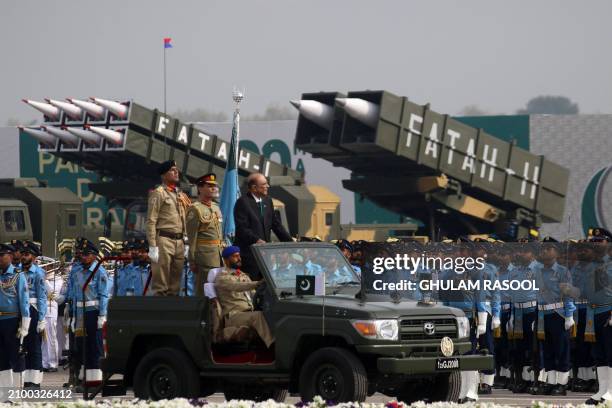
Modernization has been a key focus, with substantial investment in armored vehicles, missile systems, communication networks, and surveillance technology. Collaborations with domestic manufacturers such as the Heavy Industries Taxila (HIT) and Pakistan Ordnance Factories (POF) have strengthened indigenous defense production and reduced reliance on foreign imports.
Counterterrorism and Internal Security
Since the early 2000s, the Pakistan Army has taken a leading role in fighting terrorism and insurgency. In response to the rise of extremist groups like the Tehrik-i-Taliban Pakistan (TTP), the Army launched major operations including Operation Rah-e-Rast, Operation Zarb-e-Azb, and Operation Radd-ul-Fasaad. These efforts led to the dismantling of terrorist strongholds in the Federally Administered Tribal Areas (FATA), Swat Valley, and other volatile regions.
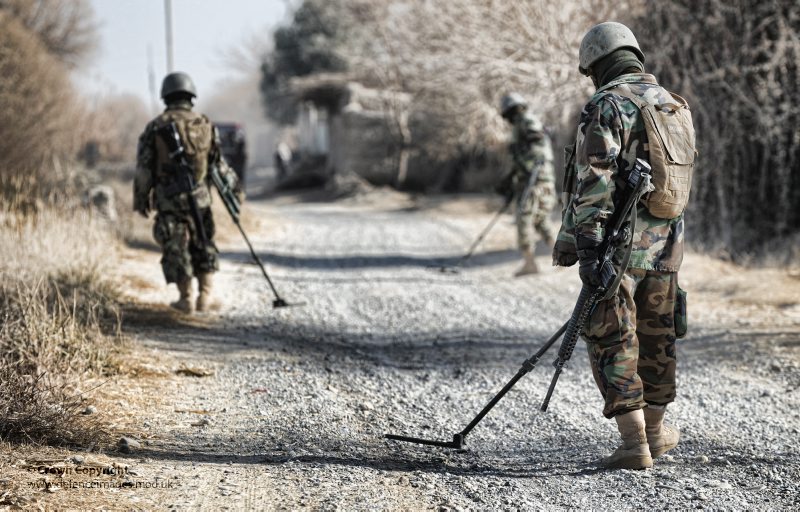
These counterterrorism campaigns significantly restored security and disrupted militant networks. The Army has worked in close coordination with intelligence agencies, paramilitary units, and civilian authorities to combat extremism and stabilize affected regions.
Disaster Relief and Welfare Efforts
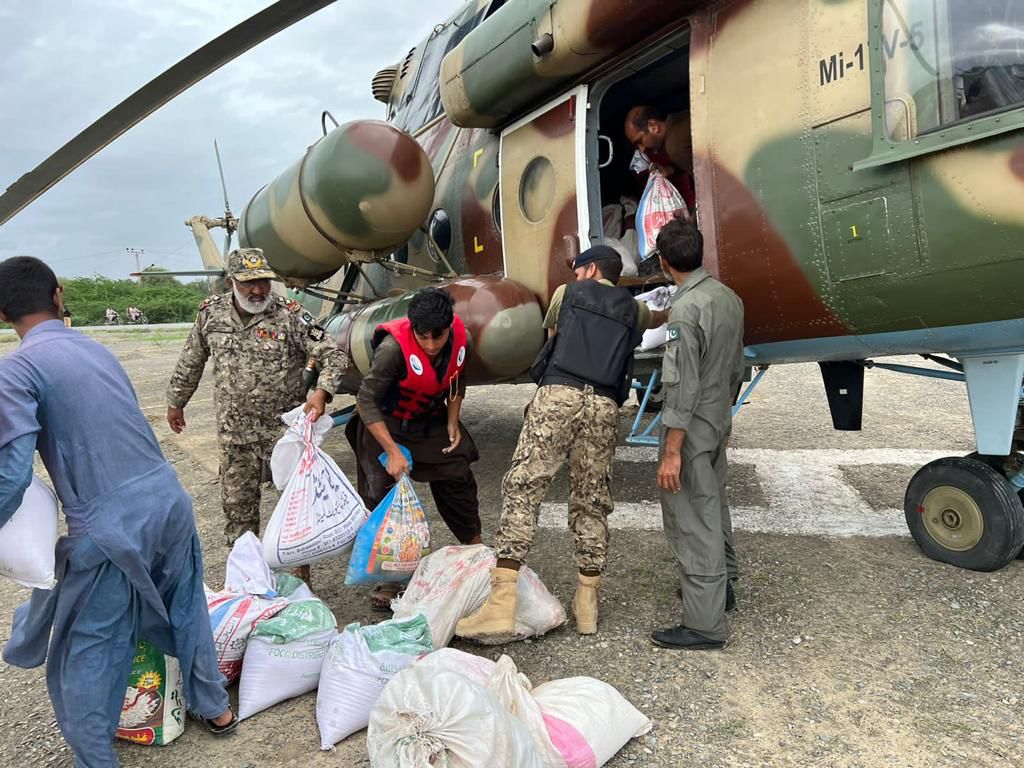
Beyond its military duties, the Pakistan Army plays an essential role in disaster response and humanitarian assistance. It has been on the frontlines during national emergencies, such as the 2005 earthquake in Kashmir and the devastating floods of 2010 and 2022. The Army’s swift deployment of medical teams, engineering corps, and rescue operations has saved countless lives and facilitated rehabilitation in disaster-stricken areas.

The Army also oversees several welfare organizations, including the Fauji Foundation, Army Welfare Trust, and Shaheen Foundation. These bodies provide vital services such as education, healthcare, and employment to both ex-servicemen and civilians, contributing significantly to national development.
International Engagements
The Pakistan Army has made important contributions to global peacekeeping through the United Nations. Pakistani troops have served in conflict zones across Africa and the Middle East, including missions in Somalia, Liberia, Congo, and Sierra Leone. Their professionalism, discipline, and effectiveness have earned international acclaim.
As one of the top contributors of troops to UN missions, Pakistan’s role in peacekeeping enhances its diplomatic image and allows its military personnel to gain valuable experience in multinational environments.
Political Influence and Criticism
The Pakistan Army has had a complex and often controversial relationship with politics. It has directly governed the country through military coups and martial law under leaders like General Ayub Khan, General Zia-ul-Haq, and General Pervez Musharraf. Even under civilian governments, the Army has exerted considerable influence, particularly in matters of foreign policy, national security, and regional diplomacy.
Critics argue that this dominance has undermined democratic institutions, curtailed civil liberties, and impeded the growth of a free press. However, proponents see the Army as a stabilizing force in times of crisis, often stepping in to manage governance during political instability or national emergencies.

0 Comments