
Pak-China Friendship: A Timeless Bond of Brotherhood
"Higher than the Himalayas, deeper than the oceans, stronger than steel, and sweeter than honey"—this poetic phrase perfectly captures the essence of Pakistan and China's enduring friendship. Over the decades, this strategic partnership has blossomed into one of the world’s most trusted bilateral relationships, resilient even amid global and regional turbulence.

From diplomatic roots to deep economic and military cooperation, the Pak-China alliance is a shining example of mutual respect, strategic interest, and cultural understanding.
🕰️ A Look Back: Historical Foundations
After the establishment of the People's Republic of China in 1949, Pakistan became one of the first nations to recognize it. Diplomatic relations were formally initiated in 1951. From those early days, the relationship steadily evolved from basic diplomatic engagement to a robust, multi-dimensional partnership.
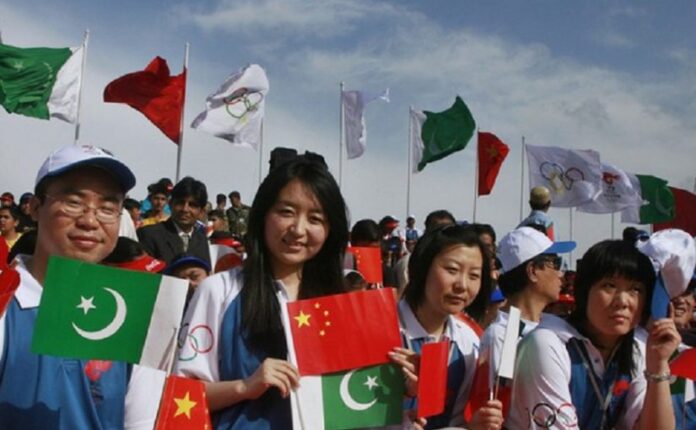
During critical moments in history—such as the 1965 and 1971 wars between Pakistan and India—China stood by Pakistan. Likewise, Pakistan played a vital role in facilitating early China-West communication, particularly between Beijing and Washington during the Cold War.
🛡️ Strategic and Defense Collaboration
Defense cooperation is one of the cornerstones of this friendship. China has long been one of Pakistan's primary sources of military equipment, including aircraft, submarines, naval vessels, and missile systems.
One of the most significant outcomes of this collaboration is the joint development of the JF-17 Thunder fighter jet, a proud symbol of the technological and strategic alignment between the two countries.
This partnership is guided by:
-
Mutual trust
-
Non-interference in internal affairs
-
Shared security concerns, especially in counterterrorism and regional stability
Joint military exercises and training programs further cement the strong defense relationship.
🚧 CPEC: Economic Transformation Through Cooperation
Arguably the most transformative chapter in modern Pak-China relations is the China-Pakistan Economic Corridor (CPEC). Launched in 2015, CPEC is a flagship project under China’s Belt and Road Initiative (BRI).
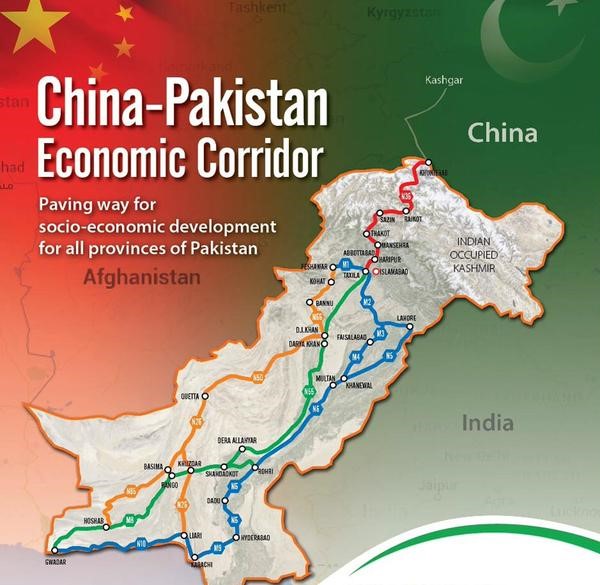
Key components of CPEC:
-
Highways and motorways
-
Railways modernization
-
Energy production projects
-
Special Economic Zones (SEZs)
-
Development of Gwadar Port in Balochistan
Gwadar is of immense strategic importance, granting China access to the Arabian Sea and reducing reliance on traditional trade routes like the Strait of Malacca.
For Pakistan, CPEC is a game-changer:
-
Tackles chronic energy shortages
-
Creates employment opportunities
-
Boosts regional connectivity and industrial growth
🌍 Political and Diplomatic Support
China has consistently supported Pakistan on critical political issues, notably at international forums. This includes backing Pakistan on the Kashmir issue and opposing sanctions or negative resolutions against it.
In return, Pakistan supports China on its "One China" policy, reaffirming its stance on matters like Taiwan, Hong Kong, and Xinjiang.

At the United Nations and other international platforms, both nations:
-
Coordinate positions
-
Support each other’s resolutions
-
Promote shared views on multilateralism, sovereignty, and non-interference
This reflects not just political alignment but deep strategic trust.
🎓Cultural and Educational Ties: A Growing People-to-People Bond
Beyond diplomacy and economics, the cultural and educational connection between Pakistan and China continues to flourish.
-
Thousands of Pakistani students study at Chinese universities—many on scholarships.
-
Confucius Institutes in cities like Islamabad and Lahore promote Chinese language and culture.
-
Similarly, Chinese students and tourists are taking interest in Pakistani traditions, food, and art.
The growing soft power exchange is evident through:
-
Pakistani TV dramas subtitled in Chinese
-
Cultural festivals in both countries
-
Shared interest in each other’s traditional attire, music, and cuisine
This increasing familiarity fosters mutual respect and cross-cultural harmony.
⚠️ Challenges and Concerns
While the friendship remains strong, certain challenges cannot be ignored:
Key concerns include:
-
Transparency and financial terms of CPEC projects
-
Rising external debt
-
Local employment issues in project regions
-
Security threats to Chinese workers, especially in Balochistan
However, both governments are actively addressing these concerns through:
-
Improved security protocols
-
Community engagement efforts
-
Continued political dialogue
Their shared commitment ensures that temporary issues don’t damage the long-standing relationship.
✅ Conclusion: A Model of Trust and Cooperation
The Pak-China friendship stands as a symbol of strategic unity, mutual growth, and brotherhood. It has remained resilient and adaptable, from the Cold War era to today’s complex global landscape.
Whether through defense partnerships, economic collaboration under CPEC, or growing cultural and educational ties, this bond continues to grow stronger. For Pakistan, China is more than an ally—it is a trusted friend, and for China, Pakistan is a strategic partner and a gateway to South Asia and beyond.
As the world navigates new challenges, one thing remains constant: Pak-China friendship is built to last.


0 Comments