
Iran-Israel Relations: From Cooperation to Confrontation
One of the most antagonistic and intricate rivalries in international politics today is the relationship between Iran and Israel. Spanning ideological, religious, geopolitical, and security dimensions, this relationship has transformed over decades—from cautious cooperation during the mid-20th century to fierce hostility in the 21st century.

This article explores the historical background, key developments, and current dynamics that define the Iran-Israel relationship.
Historical Background: A Different Era
Before the 1979 Islamic Revolution, relations between Israel and Iran were surprisingly cooperative. Iran, under Shah Mohammad Reza Pahlavi, was one of the few Muslim-majority countries to recognize Israel de facto (though not de jure). The two nations worked together in several critical sectors, including oil, military intelligence, and trade.

During this period, Iran supplied oil to Israel, while Israel assisted Iran in military and technological advancement. This relationship was largely based on shared regional concerns, especially the threat posed by pan-Arab nationalism led by figures like Egyptian President Gamal Abdel Nasser.
The Islamic Revolution and a Radical Shift
The 1979 Islamic Revolution marked a turning point in Iran’s foreign policy. Led by Ayatollah Ruhollah Khomeini, the new Islamic Republic adopted a theocratic ideology rooted in Shi’a Islam, with a staunchly anti-Western and anti-Zionist stance.

Almost immediately, Iran severed diplomatic ties with Israel, condemned its existence, and began actively supporting Palestinian resistance groups like Hamas and Islamic Jihad. From that point on, Tehran positioned itself as a defender of the Palestinian cause and the broader Islamic resistance against Israel.
This ideological transformation formed the basis of Iran’s regional strategy, which included building a network of allied militias and non-state actors aimed at confronting Israel directly and indirectly.
Strategic and Military Dimensions
One of the most important aspects of Iran’s anti-Israel policy is its longstanding support for Hezbollah in Lebanon. Founded in the early 1980s with Iranian backing, Hezbollah has grown into a formidable political and military organization.
The 2006 Lebanon War between Israel and Hezbollah was a major flashpoint in this broader conflict. Israel views Hezbollah’s vast rocket arsenal and military entrenchment in southern Lebanon as a significant threat, while Iran sees Hezbollah as a key deterrent against Israeli or American military action.

Beyond Lebanon, Iran has provided financial and military support to Hamas in Gaza, as well as to various Shi’a militias operating in Iraq and Syria. Iran's involvement in the Syrian Civil War—particularly its support for Bashar al-Assad—has intensified hostilities with Israel. In response, Israel has launched numerous airstrikes on Iranian military assets and weapons convoys in Syria.
Nuclear Tensions: A Dangerous Game
Perhaps the most pressing concern in Iran-Israel relations is Iran’s nuclear program. Israel sees the potential for a nuclear-armed Iran as an existential threat. Israeli leaders have repeatedly stated they will take any measures necessary to prevent Iran from acquiring nuclear weapons.
Over the years, Israel has allegedly conducted a number of covert operations to disrupt Iran's nuclear ambitions. These include cyberattacks, like the infamous Stuxnet virus in 2010, and the assassinations of prominent Iranian nuclear scientists.
On the other hand, Iran maintains that its nuclear program is purely for peaceful, civilian purposes. Tehran also points out the hypocrisy of Israel’s stance, noting that Israel is widely believed to possess a substantial (though undeclared) nuclear arsenal.
The 2015 Joint Comprehensive Plan of Action (JCPOA), also known as the Iran nuclear deal, was celebrated globally but met with harsh criticism in Israel. Then-Prime Minister Benjamin Netanyahu argued that the deal failed to stop Iran’s path to a nuclear weapon and merely delayed the inevitable.
Cyber Warfare and Intelligence Battles
The digital battlefield has become a key front in the Iran-Israel conflict. Cyber operations, espionage, and intelligence warfare now play a central role in their rivalry.
Stuxnet was just the beginning. Since then, both countries have targeted each other's infrastructure. Iranian hackers have launched cyberattacks on Israeli banks, transportation, and water systems, while Israeli intelligence has reportedly executed multiple operations on Iranian nuclear and military assets.
Two notable incidents include the 2018 Mossad operation that revealed Iran’s secret nuclear archive, and the assassination of Iran’s top nuclear scientist, Mohsen Fakhrizadeh, in 2020—both widely attributed to Israeli intelligence services.
Diplomatic and Regional Dynamics
The broader Middle East context heavily shapes the Iran-Israel rivalry. Countries like Saudi Arabia, the United Arab Emirates, and Bahrain view Iran as a destabilizing force, aligning their regional interests closer to those of Israel.
This alignment led to the historic Abraham Accords in 2020, where the UAE, Bahrain, and later others normalized ties with Israel. Iran fiercely condemned these agreements, seeing them as betrayals by fellow Muslim nations and a threat to the Palestinian cause.
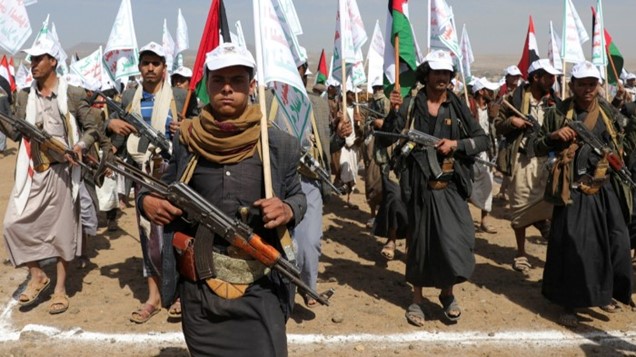
Meanwhile, Iran has doubled down on its position as the leader of the "axis of resistance"—a coalition that includes Hezbollah, the Assad regime in Syria, Shi’a militias in Iraq, and the Houthi rebels in Yemen. This network seeks to encircle and confront Israel while also resisting Western influence in the region.
Conclusion: A Relationship Defined by Conflict
The Iran-Israel relationship is marked by deep-rooted ideological enmity, regional power struggles, and mutual distrust. From oil trade partners to arch-enemies locked in a complex hybrid conflict, the two nations now stand at opposing ends of nearly every major geopolitical issue in the Middle East.
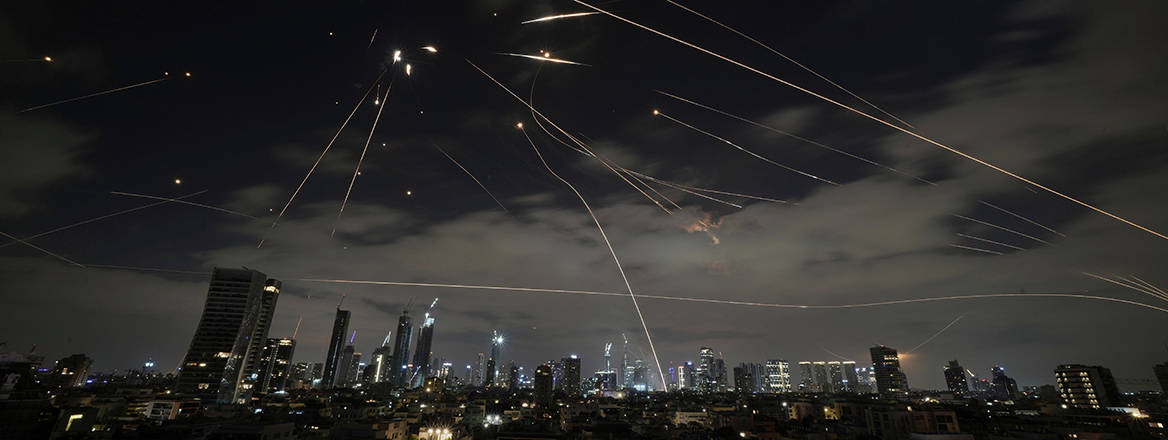
As long as Iran maintains its calls for the destruction of Israel and continues supporting militant groups, and as long as Israel sees Iran as an existential threat, any form of normalization or peace remains highly unlikely. The rivalry continues to unfold across borders, battlefields, and cyberspace—posing a persistent threat to regional and global security.

0 Comments