
Harvester: How It's Changing Agriculture Today
In today’s fast-paced world of farming, the harvester, commonly known as the combine harvester, is a game-changer. With the ability to carry out multiple harvesting operations—reaping, threshing, and winnowing—in a single, seamless process, this powerful machine has revolutionized modern agriculture.
From sprawling wheat fields in the U.S. to rice paddies in Asia, the harvester is at the heart of productive, efficient, and technology-driven farming.
A Brief Look Back: The History of the Harvester
Before harvesters, farming was labor-intensive. Farmers toiled long hours in the sun with simple tools like sickles and scythes. It wasn’t until the 1830s that Cyrus McCormick introduced a successful mechanical reaper pulled by horses, which laid the foundation for modern harvesting machines.
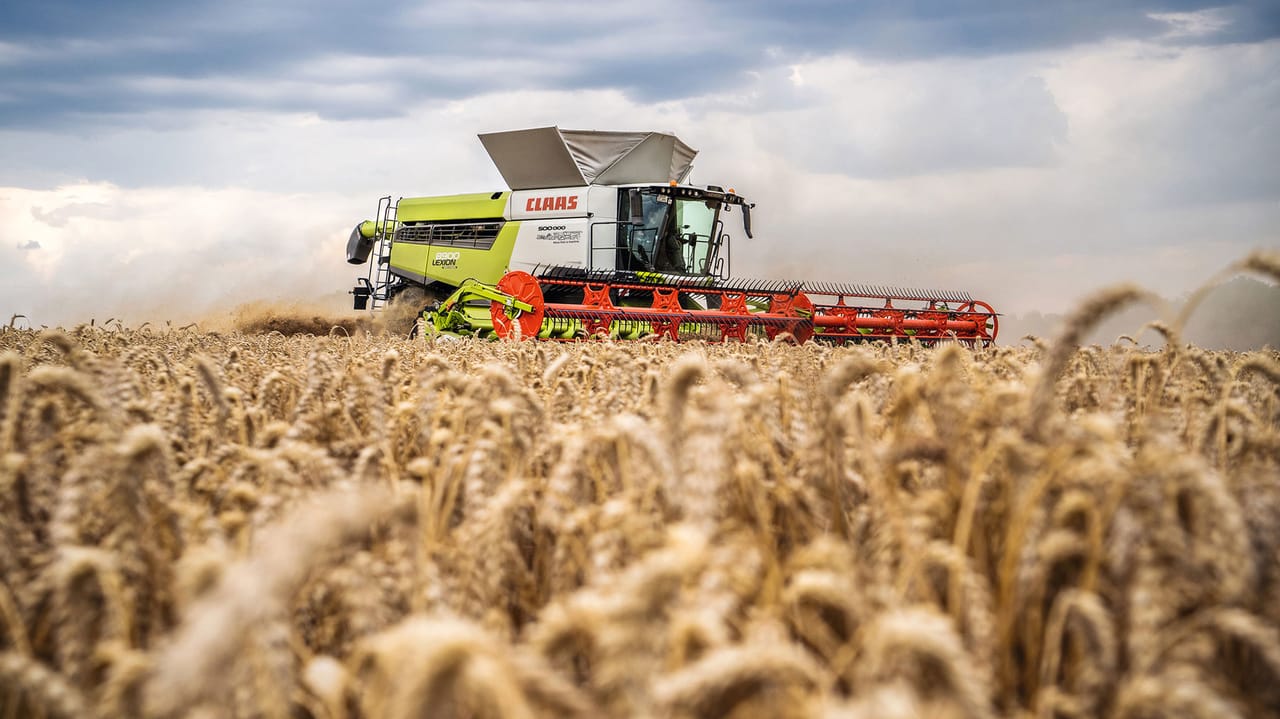
By the mid-19th century, engineers developed the first combine harvester—capable of both reaping and threshing. Originally pulled by horses and later powered by steam, harvesters evolved further with the rise of internal combustion engines in the 20th century. Today, they're fully self-propelled, often integrated with GPS, AI, and advanced hydraulics for enhanced performance.
How a Harvester Works: Key Components and Functionality
Modern harvesters perform three essential tasks:
🔹 1. Reaping
This is the first step—cutting the mature crop. The front header of the harvester collects and cuts the crop at the base.
🔹 2. Threshing
The cut crop is then fed into a threshing drum, which separates the grains from stalks or husks.
🔹 3. Winnowing
This final stage removes chaff and unwanted materials, storing clean grains in a tank while ejecting straw and residue from the back.
Most harvesters feature adjustable headers, allowing farmers to work with various crops like wheat, corn, rice, barley, and soybeans. There are also specialized harvesters for root crops like potatoes and sugar beets, and even for fruits such as grapes and olives.
Different Types of Harvesters in Use Today
Each type of harvester is engineered to handle specific crops and needs:
-
Combine Harvester – The all-rounder, ideal for grain crops.
-
Sugarcane Harvester – Cuts, strips, and chops sugarcane efficiently.
-
Forage Harvester – Used to make silage from grass or corn for livestock.
-
Potato Harvester – Digs, separates, and cleans potatoes from the soil.
-
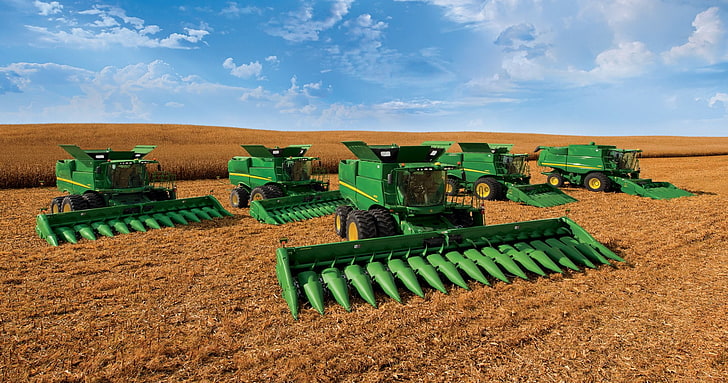
Corn Harvester – Features snapping rolls and row dividers to handle corn effectively.
Benefits of Using a Harvester
Modern harvesters bring a range of advantages to the field:
✅ Efficiency
They can harvest large areas quickly—saving time and reducing crop spoilage.
✅ Less Manual Labor
With one machine replacing dozens of workers, there’s less dependence on seasonal labor.
✅ Higher Yields
Timely and precise harvesting leads to better grain quality and reduced losses.
✅ Data-Driven Decisions
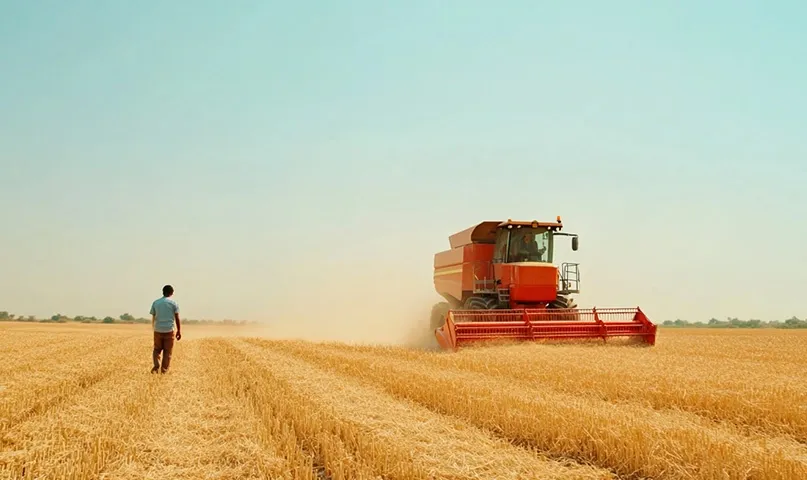
Many modern harvesters are equipped with GPS and yield-mapping systems, helping farmers analyze productivity and optimize future planting.
✅ Cost-Effective in the Long Run
Though expensive upfront, harvesters lower labor costs and boost profits over time.
Challenges Farmers Face with Harvesters
Despite their benefits, harvesters do come with a few hurdles:
-
💰 High Initial Investment – They’re often too costly for small-scale farmers.
-
🔧 Maintenance and Fuel – Operating and repairing harvesters can be expensive.
-
🌱 Soil Compaction – Heavy machines can damage soil structure, reducing long-term fertility.
-
⚠️ Technology Dependence – Advanced systems require trained operators and specialized repairs if something breaks.
To address these challenges, many countries are promoting subsidies, shared ownership, and leasing options for farm machinery.
A Role in Sustainable Agriculture
As sustainability becomes a priority, harvesters are helping lead the way. Here's how:
-
✅ Less Waste – Precision harvesting ensures only ripe crops are collected.
-
✅ Eco-Friendly Features – New models come with low-emission engines and fuel-efficient systems.
-
✅ Conservation – Optimized harvesting conserves water, fuel, and soil nutrients.
In areas facing labor shortages, especially during peak seasons, harvesters ensure crops are gathered on time—preserving both quality and yield.
Global Impact: From Developed to Developing Nations
In countries like the USA, Germany, and Australia, advanced harvesters are already deeply integrated into farming operations. In contrast, developing nations such as India, Pakistan, and Nigeria are steadily embracing the technology.
Thanks to government support, local manufacturing, and growing awareness, more affordable and region-specific models are now available—making harvesters accessible to small and medium-sized farms.
Final Thoughts
The harvester is not just a machine—it’s a symbol of progress in agriculture. With every field it clears, it brings the world one step closer to food security, economic efficiency, and sustainable farming.
As the global population grows and the demand for food increases, harvesters will continue to be an indispensable part of the agricultural journey—feeding the world, one field at a time.
Have thoughts on how harvesters are changing farming in your area? Share your experiences in the comments below! 👇🌾

1 Comments
Tractors play an important role in fieldwork. Because they greatly increase production and efficiency while lowering the amount of manual labor required for farming activities, tractors are indispensable for field operations. They are essential to contemporary agriculture since they may be used for a variety of tasks, such as clearing land, harvesting, and moving crops (ITP Agri Solutions).
ReplyDelete