
Farmers: The Backbone of Civilization
Introduction
https://media.istockphoto.com/id/2096491543/video/modern-greenhouses-of-the-future-monitor-plant-growth-and-grow-pure-unmodified-natural.jpg?b=1&s=640x640&k=20&c=5AXQUo7c8RSfUrtyPZuesbBqcFw1YkhpHZRehI_6v5Y=
Even with technological progress and rapid industrialization, the significance of farmers remains vital. In fact, with global economic shifts, environmental changes, and population growth, their responsibilities have only evolved.
The Crucial Function of Farmers
Farmers are essential to every country’s economy, especially in developing nations where agriculture is often the primary source of income. Their work starts before sunrise and continues into the evening, involving tasks such as plowing, planting, irrigating, fertilizing, and harvesting.

In addition to growing crops, many farmers raise livestock including cows, goats, poultry, and sheep—ensuring a steady supply of meat, dairy, and eggs

.
Farmers also fuel various industries through their tireless labor. Crops like cotton support the textile industry, while sugarcane, tobacco, and oilseeds drive food processing and manufacturing sectors. Without their contributions, these supply chains would collapse, leading to economic downturns and food shortages.
Types of Farmers
Farming takes many forms depending on the scale and purpose:
-
Subsistence Farmers: Grow crops primarily for their families using traditional methods on small plots of land.
-
Commercial Farmers: Produce crops and raise animals for sale at local, national, or international levels, often using advanced technology to boost output.
-
Specialized Farmers: Focus on a single type of crop or livestock, such as rice, dairy, or fruit orchards.
-
Organic Farmers: Grow food naturally without chemical fertilizers or pesticides, catering to health-conscious consumers.
Each type plays a unique role in supporting the agricultural ecosystem and ensuring food diversity.
Challenges Faced by Farmers
Farming is filled with challenges that threaten both livelihood and productivity:
1. Climate Change
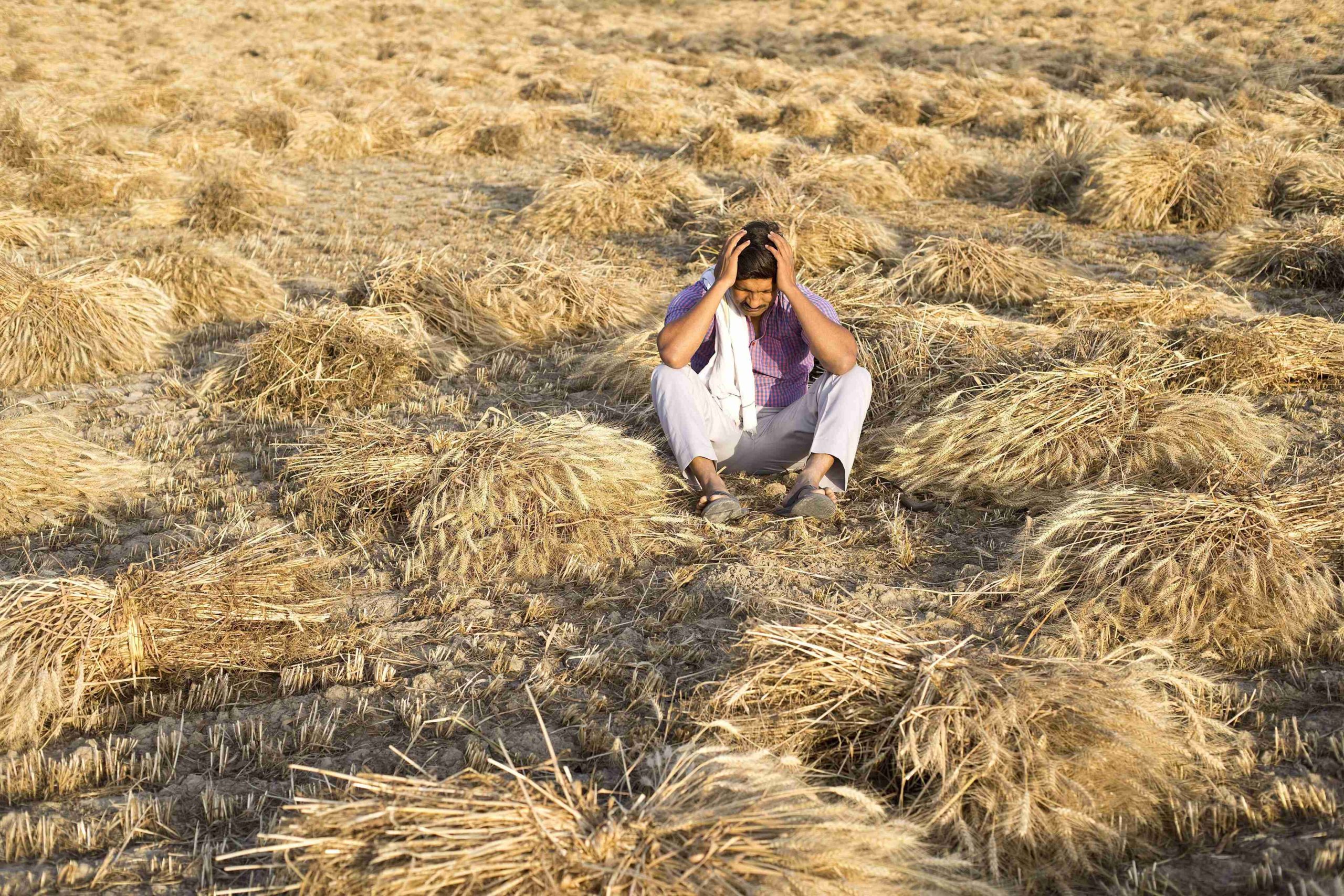
Extreme weather events—droughts, floods, unpredictable rainfall, and heatwaves—can devastate crops and reduce yields. Soil degradation and water scarcity further jeopardize agricultural output.
2. Market Instability
Farmers often struggle with unfair pricing as middlemen absorb most of the profits. Price fluctuations, inadequate storage, and poor access to markets result in financial losses.
3. Poverty and Debt
In many regions, economic hardship and debt drive farmers into distress. Sadly, in extreme cases, some even take their own lives.
4. Technological Gap
Lack of access to modern tools and education limits small-scale farmers from competing with large agribusinesses.
5. Infrastructure Issues
Poor roads and unreliable electricity make it difficult to transport goods and preserve produce.
6. Land and Policy Problems
Land ownership disputes and unfavorable government policies often put smallholder farmers at a disadvantage.
Technological Advances in Farming
Modern technology is transforming agriculture:
-
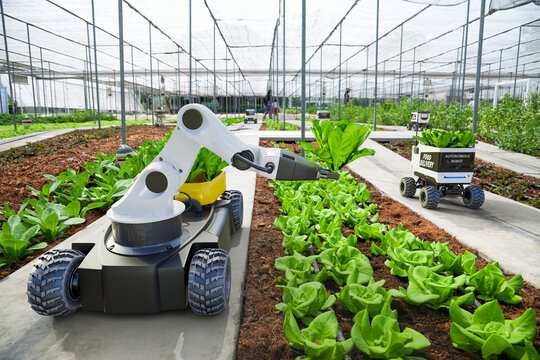
Mechanization: Tractors, harvesters, and seed drills reduce manual labor and improve efficiency.
-
Precision Agriculture: Drones, sensors, and satellite data help monitor soil health, irrigation needs, and crop conditions.
-
Genetically Modified (GM) Crops: High-yield and pest-resistant varieties have significantly increased food production.
-
Digital Tools: Mobile apps provide real-time weather updates, market prices, and expert advice.
These advancements not only increase yield but also reduce waste and improve income. However, it’s essential to make such technologies accessible to small farmers to ensure inclusive agricultural growth.
The Future of Farming
Sustainable agriculture is gaining ground as the future of farming:
-
Eco-Friendly Practices: Crop rotation, organic methods, integrated pest management, and conservation tillage help protect the environment while maintaining productivity.
-
Support and Training: Governments and NGOs are providing subsidies, training programs, and awareness campaigns to help farmers transition to sustainable methods.
-
Urban and Vertical Farming: These approaches bring agriculture to cities, reducing transport emissions and offering fresh produce locally.
-
Aquaponics & Hydroponics: These systems allow for high-efficiency farming using minimal land and water.

As awareness grows around environmental issues and food security, farmers are being recognized once more as stewards of the land—vital allies in the battle against hunger and climate change.

0 Comments