
Dairy Farm: The Backbone of the Milk Industry
Dairy farming is much more than just raising animals and collecting milk—it's the foundation of a thriving global industry that impacts nutrition, livelihoods, and rural development.
Whether it's a small family-run farm or a large commercial operation, dairy farms play a vital role in feeding the world and supporting millions of families.
How Does a Dairy Farm Work?
A dairy farm is an agricultural setup where milk-producing animals like cows, buffaloes, goats, or sheep are raised specifically for milk collection. These farms vary widely in scale, from small rural homesteads with just a few animals to massive commercial dairies housing hundreds or thousands.
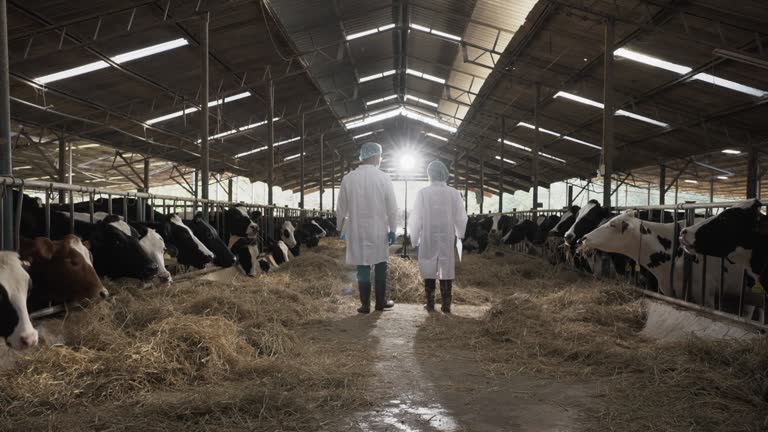
In addition to milk production, many dairy farms are also involved in:
-
Breeding and raising calves
-
Processing milk into dairy products such as cheese, yogurt, cream, and butter
Common Dairy Animals
Different regions prefer different dairy animals, depending on climate, terrain, and cultural practices:
-
Cows (Holstein, Jersey, Guernsey, Brown Swiss) are the most common globally.

-
Buffaloes, especially in South Asia and parts of Africa, are prized for their rich, high-fat milk.
-
Goats and sheep are popular in arid or mountainous regions and provide highly nutritious milk.
Facilities on a Dairy Farm
Modern dairy farms use a variety of facilities and equipment to ensure high productivity and animal well-being:
-
Barns and Sheds: Shelter animals from harsh weather conditions.
-
Milking Parlors: Equipped with hygienic milking machines to ensure safe and efficient milk extraction.
-
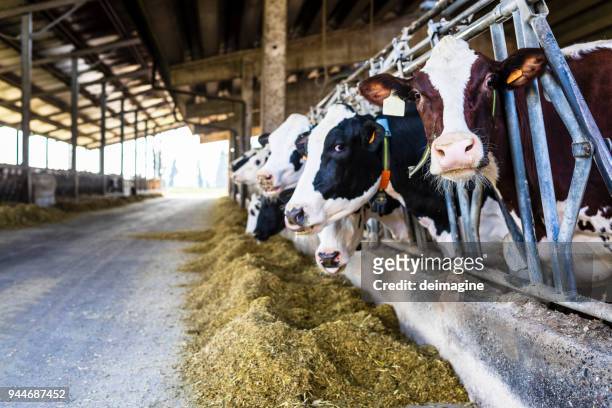
Feeding Systems: Includes silos, mangers, and automated feeders for a balanced diet.
-
Manure Management: Converts waste into fertilizer or biogas.
-
Cooling and Storage Units: Maintain milk freshness before it’s processed or transported.
Animal Welfare and Nutrition
Healthy animals are key to any successful dairy farm. Here's what it takes to keep them in top condition:
✅ Nutrition
A proper diet rich in protein, fiber, and minerals is essential. Common feeds include:
-
Silage and hay
-
Grains
-
Mineral supplements

✅ Veterinary Care
Regular health checkups, deworming, and vaccinations help prevent disease and maintain milk quality.
✅ Hygiene and Comfort
Clean sheds, soft bedding, good ventilation, and access to clean drinking water are crucial for comfort and productivity.
Milk Production Process
Milk production on a dairy farm follows several organized steps:
-
Feeding & Hydration – Animals are fed 2–3 times daily.
-
Milking – Typically done 2–3 times daily using milking machines.
-
Cooling & Storage – Milk is rapidly cooled to 4°C to prevent bacterial growth.

-
Quality Testing – Milk is tested for fat content, purity, and bacterial levels.
-
Transport – Fresh milk is sent to processing plants in refrigerated tankers.
Benefits of Dairy Farming
Dairy farming contributes to society in many ways:
-
Nutrition: Milk is a powerhouse of calcium, protein, and essential vitamins.
-
Income Generation: Especially vital for smallholder farmers in developing countries.
-
Job Creation: Animal care, feeding, milking, and equipment maintenance provide steady employment.
-
Eco-Friendly Byproducts: Manure is recycled into fertilizer or converted to biogas energy.
Challenges Faced by Dairy Farmers
Despite its benefits, dairy farming comes with several challenges:
-
High Input Costs: Feed, medicine, and labor expenses are on the rise.
-
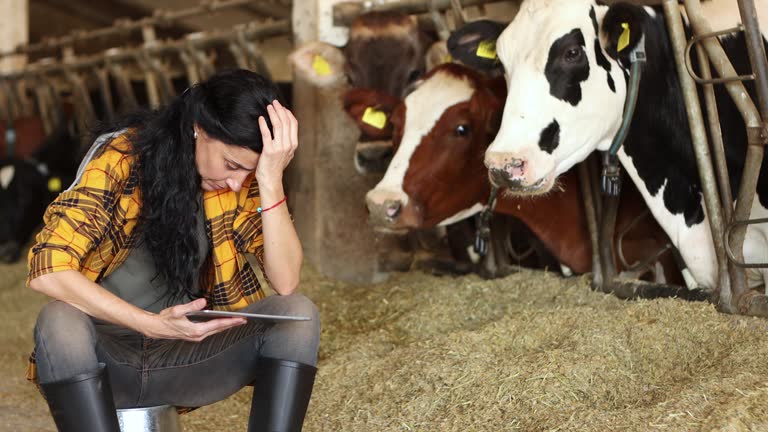
Animal Diseases: Conditions like mastitis and foot-and-mouth disease can reduce yields.
-
Climate Impact: Heat stress and extreme weather affect both animals and farm infrastructure.
-
Price Instability: Milk prices often fluctuate due to market dynamics or policy changes.
Towards Sustainable Dairy Farming
To address environmental and economic challenges, many dairy farms are turning to sustainable practices:
-
Water Conservation: Efficient irrigation and water recycling.
-
Waste Management: Manure is used for compost or converted into biogas.
-
Energy Efficiency: Solar-powered equipment and LED lighting reduce energy use.
-
Smart Technologies: Precision farming, automated milking, and health monitoring systems are transforming productivity.
The Future of Dairy Farming
The future of dairy farming looks promising, especially with new innovations on the horizon:
-
Precision Dairy Farming: Uses sensors, GPS, and AI to monitor animal health and milk production in real-time.
-
Organic and Ethical Dairy: A growing number of farms are going organic or adopting cruelty-free practices.
-
Direct-to-Consumer Sales: Many farms are now selling fresh milk and dairy products directly to consumers through local delivery or online platforms.
-
Government Support: Programs offering training, subsidies, and veterinary support are helping small-scale farmers thrive.
Final Thoughts
Dairy farming is more than an industry—it's a way of life for millions around the world. With the right blend of tradition, technology, and care for animals and the environment, dairy farms can continue to nourish communities and drive economic growth for generations to come.

0 Comments