
Animals: A Vital Part of Earth's Biodiversity
Animals are more than just creatures we admire in documentaries or keep as pets — they are an essential part of life on Earth. From the tiny ant to the massive blue whale, animals come in all shapes, sizes, and behaviors. Whether it's the depths of the oceans, the peaks of mountains, lush rainforests, or dry deserts, animals are found in every corner of our planet.

But their presence is not just fascinating — it’s crucial. Animals maintain the balance of nature, support ecosystems, and contribute to human life in countless ways.
The Incredible Diversity of the Animal Kingdom
Did you know that scientists estimate over 8.7 million animal species exist on Earth? Yet, only a small portion has been officially discovered and documented.
Animals are generally classified into two main groups:
-
Vertebrates: Animals with backbones (like mammals, birds, reptiles, amphibians, and fish).
-
Invertebrates: Animals without backbones (such as insects, spiders, mollusks, and worms).

Each group has developed unique adaptations to survive in its environment. For instance:
-
Fish breathe through gills underwater.
-
Birds have lightweight bones to help them fly.
-
Desert animals conserve water and tolerate extreme heat.
This remarkable variety shows just how brilliantly animals have evolved over millions of years to fit their surroundings.
Why Animals Matter to Ecosystems
Animals are not just passive parts of the environment — they actively shape and sustain it.
-
Herbivores like deer and rabbits manage plant populations.
-
Carnivores such as lions and wolves keep prey numbers in check.
-
Scavengers and decomposers (think vultures and worms) clean up dead matter and recycle nutrients into the soil
.
One of the most important roles animals play is pollination. Bees, butterflies, and even birds help plants reproduce — which includes many crops we humans rely on. Without pollinators, entire food chains could collapse.
And don’t forget about the little guys: creatures like earthworms and ants aerate the soil and improve fertility, making it easier for plants to grow.
Our Long Relationship with Animals
Humans and animals have shared a deep connection for thousands of years.
-
Domesticated animals like cows, goats, sheep, and chickens provide us with milk, meat, eggs, and wool.
-
Working animals like horses, camels, and donkeys have transported people and goods for centuries.
-
Pets such as dogs and cats offer companionship, emotional support, and even help with mental well-being.
Beyond utility, animals also hold deep cultural and spiritual meaning.
-
In ancient Egypt, cats were sacred.
-
In Hinduism, cows symbolize life and fertility.
-
Many Native American tribes consider animals like the eagle or wolf as spiritual guides.
In science, animals have also played a major role. Medical research involving animals has led to the creation of vaccines, treatments, and understanding of diseases — though this also raises important ethical discussions.
Threats Facing the Animal World
Despite their importance, animals across the globe are under serious threat — and most of it is due to human activity.
Major Threats Include:
-
Habitat destruction from deforestation, urban development, and agriculture.
-
Pollution in oceans and rivers, especially plastic waste, oil spills, and chemical runoff.
-
Climate change, which alters weather patterns, affects food availability, and disrupts migration and breeding. For example:
-
Polar bears are losing sea ice.
-
Coral reefs are dying from warmer waters.
-
Another major issue is poaching and illegal wildlife trade. Animals are hunted for fur, tusks, horns, and even as exotic pets. This has pushed many species — like African elephants, Bengal tigers, and rhinos — to the edge of extinction.
Conservation: What’s Being Done (And What You Can Do)
Thankfully, people and organizations around the world are fighting to protect animals and their habitats.
Conservation Efforts Include:
-
Habitat preservation through national parks and wildlife sanctuaries.
-
Laws and enforcement to stop illegal hunting and trade.
-
Captive breeding programs for endangered species.
Groups like the World Wildlife Fund (WWF) and International Union for Conservation of Nature (IUCN) work hard to protect wildlife and raise awareness. Ethical zoos and aquariums also contribute to education, research, and conservation.
You Can Help Too
You don’t need to be a scientist to make a difference. Here are some simple ways to support animals:
-
Reduce plastic use.
-
Support eco-friendly and cruelty-free products.
-
Donate to trusted wildlife organizations.
-
Respect wildlife and avoid disturbing animals in nature.
-
Spread awareness about endangered species.
Final Thoughts
Animals are not just background characters in Earth’s story — they are key players. They help ecosystems thrive, support human life, and enrich our cultures. Whether it’s a bird in your backyard or a lion in Africa, animals deserve our respect, protection, and admiration.
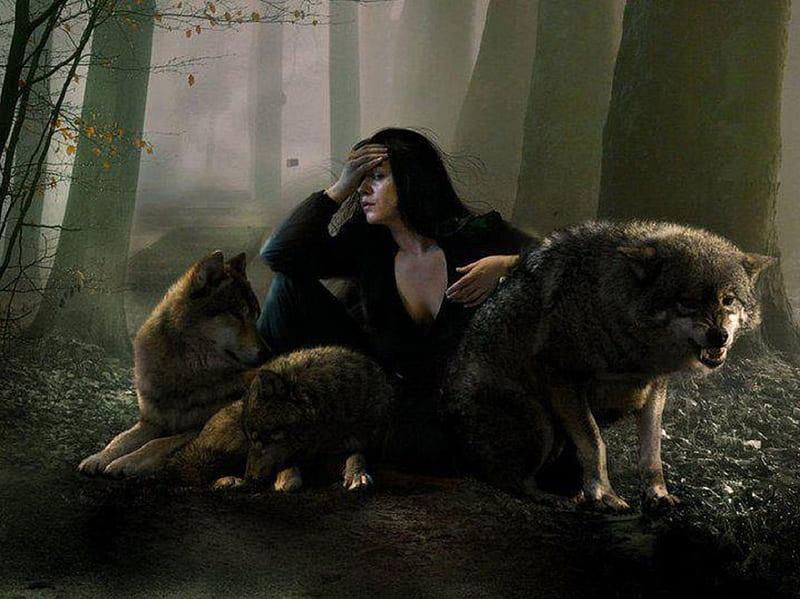
By understanding their value and taking steps to protect them, we ensure that future generations can continue to share this world with the incredible creatures that make it so wonderfully alive.

0 Comments