
The Art and Science of Cooking: More Than Just Making Food
Cooking is one of the oldest and most important human activities. It transcends cultures, connects generations, and transforms basic ingredients into nourishing meals. Whether you're preparing a simple home-cooked dish or experimenting with gourmet recipes, cooking is both a science and an art. It’s not only about feeding the body—it’s about expressing creativity, preserving tradition, and bringing people together.
Why Cooking Matters
Health Benefits of Cooking at Home
Cooking is more than just a daily necessity—it plays a crucial role in our health, culture, and emotional well-being. In today’s fast-paced world filled with fast food and ready-to-eat meals, more people are rediscovering the joy of home cooking.
When you cook at home, you control the ingredients. This means fewer preservatives, lower sodium and sugar, and more whole, nutrient-dense foods. Home-cooked meals can help:
-
Manage weight
-
Reduce the risk of chronic diseases
-
Encourage healthier eating habits
Cooking also fosters mindfulness. It helps you become more aware of portion sizes, ingredients, and how different foods affect your body—leading to more sustainable eating choices.
Cultural and Social Importance of Cooking
Every culture has its own unique culinary traditions. Recipes passed down through generations become symbols of heritage and identity. From the vibrant spices in Indian curries to the precise technique of rolling sushi in Japan, cooking reflects local history, geography, and values.
It’s also a deeply social activity. Shared meals bring people together—families bond over dinner, friends celebrate with food, and communities gather at food festivals. Even in difficult times, cooking and sharing a meal offers comfort and connection.
The Basics of Cooking
Cooking doesn’t need to be complicated. Whether you're just starting out or looking to refine your skills, mastering the basics makes a big difference.
Essential Techniques Everyone Should Know
-
Boiling and Simmering: Great for pasta, rice, soups, and stews.
-
Sautéing: Fast cooking with a small amount of oil over high heat—ideal for vegetables and proteins.
-
Roasting and Baking: Using dry heat in the oven. Perfect for meats, vegetables, and desserts.
-
Grilling: Cooking over an open flame or hot surface, often outdoors.
-
Steaming: A gentle, healthy way to cook vegetables and fish.
Basic Ingredients to Stock in Your Kitchen
A well-stocked kitchen makes cooking easier and more enjoyable. Keep these essentials on hand:
-
Spices & Herbs: Salt, pepper, garlic powder, basil, oregano, paprika, cumin
-
Oils & Vinegar: Olive oil, vegetable oil, balsamic vinegar
-
Grains & Legumes: Rice, pasta, quinoa, beans, lentils
-
Fresh Produce: Tomatoes, onions, leafy greens
-
Proteins: Eggs, chicken, tofu, or your preferred plant/animal-based options
With just a few pantry staples and fresh ingredients, you can prepare a variety of meals.
Cooking as a Creative Outlet
Cooking is a form of self-expression. Once you’re comfortable with basic techniques, the kitchen becomes your creative playground. You can:
-
Try new ingredients
-
Adjust recipes to suit your taste
-
Invent original dishes
It’s not just about artistic flair—it’s also about problem-solving. Missing an ingredient? Try a substitute. Want a healthier version? Tweak the recipe. Cooking challenges you to think on your feet and make informed, thoughtful choices.
Experimenting with World Cuisines
Exploring global cuisines is a fun way to expand your culinary knowledge. You don’t need to travel the world—just bring the flavors home! Whether it’s Italian pasta, Thai curry, or Mexican tacos, cooking lets you discover and appreciate diverse cultures through food.
Cooking in the Modern World
Technology is transforming how we cook. Today’s kitchens are equipped with modern appliances like:
-
Air fryers
-
Pressure cookers
-
Induction stoves
Online resources such as YouTube cooking channels, food blogs, and recipe apps provide endless inspiration and support for cooks of all levels.
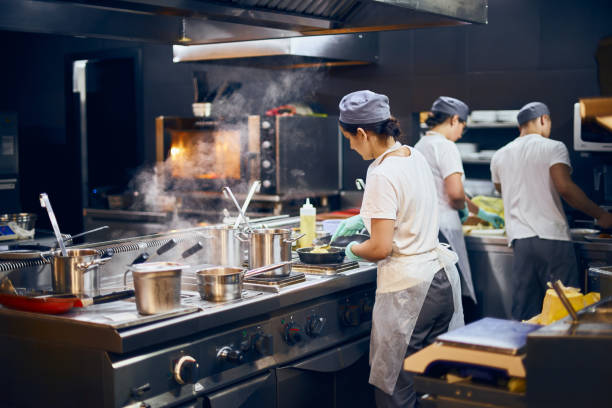
Meal kits and grocery delivery services have also made cooking more accessible. They save time and introduce you to new ingredients and recipes—all while building your confidence in the kitchen.
Tips for Better Cooking
Improve your cooking experience with these simple tips:
-
Read the recipe first: Understand all steps before you begin
-
Prep your ingredients: Chop, measure, and set everything in place (mise en place)
-
Taste as you go: Adjust seasoning and flavor to your liking
-
Use quality tools: A sharp knife, sturdy cutting board, and good cookware matter
-
Clean as you cook: A tidy space makes the process more enjoyable
Cooking for Well-being
Cooking isn’t just about food—it’s also therapeutic. The repetitive motions of chopping, stirring, and kneading can be calming. It brings focus, reduces stress, and provides a mental break from a busy day.
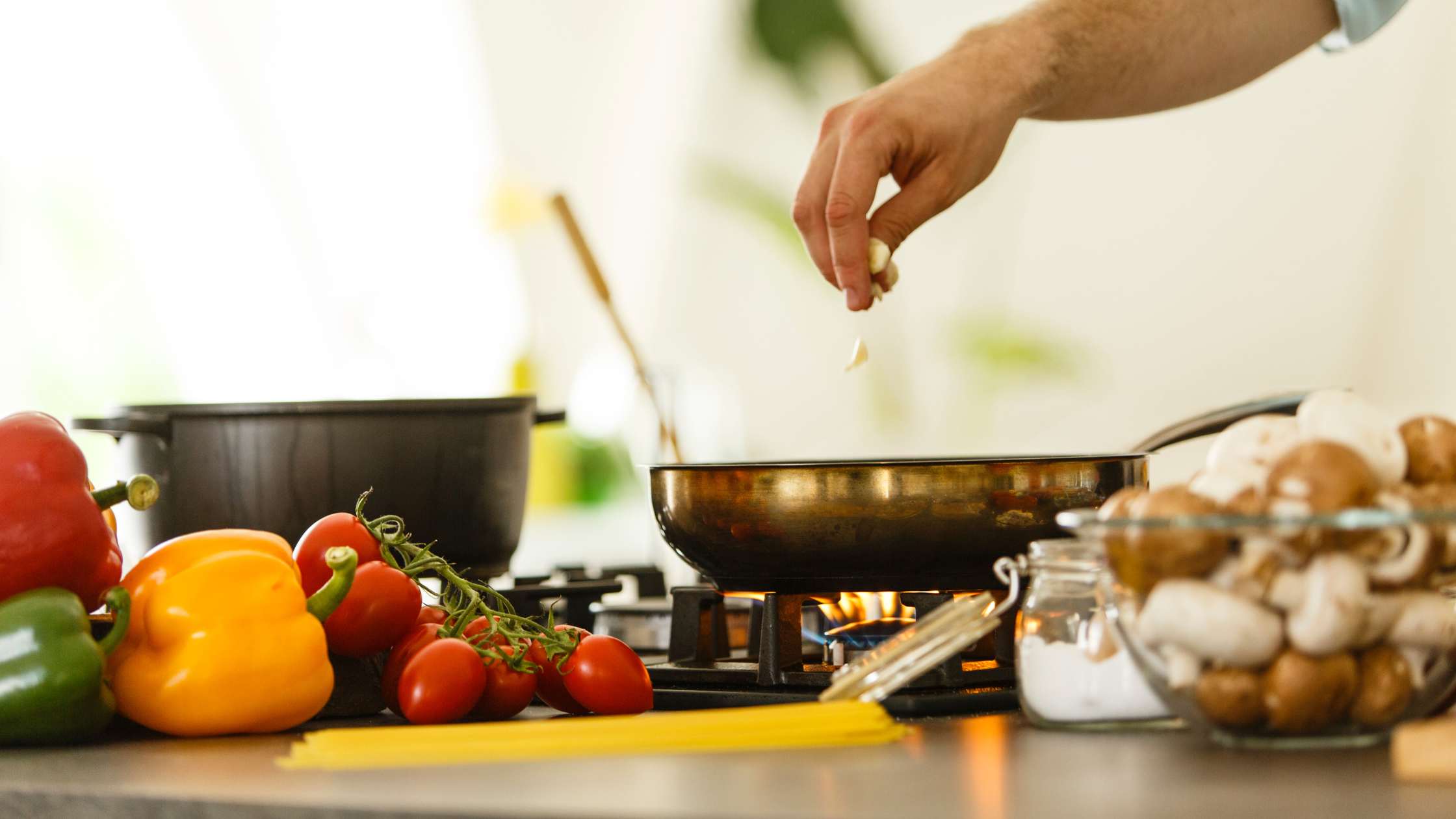
Cooking for others also fosters purpose and generosity. Sharing a homemade meal is one of the simplest and most heartfelt ways to show you care.
Final Thoughts
Cooking is a timeless life skill that enriches every aspect of our lives. It nourishes our bodies, connects us to culture and community, and offers a creative outlet. Whether you’re a beginner or a seasoned cook, every moment in the kitchen is a chance to learn, grow, and create something meaningful.
So pick up that spatula, turn on the stove, and start cooking—your journey to better health, connection, and creativity begins right in your own kitchen.

0 Comments