
Health: A Holistic Approach to Well-being
How we live, work, and connect with others is deeply influenced by our health. It’s not just about avoiding illness—it’s about thriving physically, mentally, and socially. According to the World Health Organization (WHO), health is a state of complete well-being, not merely the absence of disease.
In today’s fast-paced world where stress is high and habits are changing rapidly, taking care of our overall health is more important than ever.
Physical Health: The Foundation of Well-being
The Role of Exercise
Regular physical activity strengthens your heart, muscles, and bones. It improves flexibility, boosts endurance, and helps manage weight. More importantly, it lowers your risk of chronic diseases like heart disease, type 2 diabetes, and certain cancers.
On the flip side, a sedentary lifestyle can lead to obesity and other serious health issues. So, whether it’s a daily walk, yoga, swimming, or hitting the gym—movement matters.
The Importance of a Balanced Diet
Fueling your body with the right nutrients is essential. A healthy diet includes:
-
Fresh fruits and vegetables
-
Whole grains
-
Lean proteins
-
Healthy fats
Avoiding processed foods, cutting back on sugar and salt, and staying hydrated can dramatically improve your health. Small changes like choosing water over soda or cooking at home instead of eating fast food can make a big difference.
Don't Forget Rest
Adults need about 7–9 hours of sleep each night. Skimping on rest can lead to weight gain, irritability, and even a weakened immune system. Make sleep a priority—it’s as vital as diet and exercise.
Mental and Emotional Health: Your Inner Balance
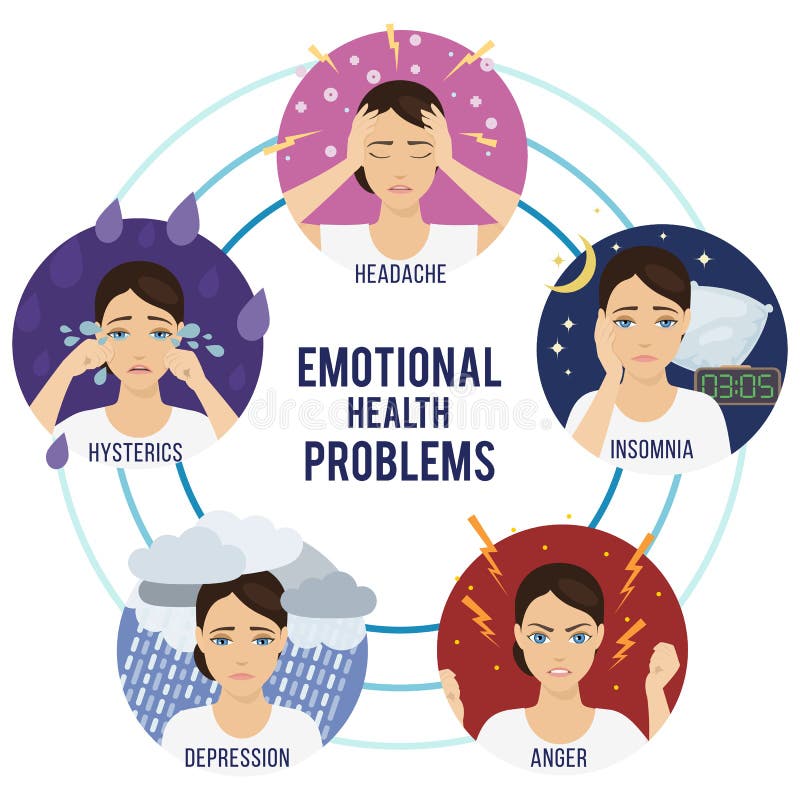
Good mental health allows you to handle life’s stresses, work productively, and build meaningful relationships. But in a world filled with constant stimulation and pressure, mental health challenges like stress, anxiety, and depression are becoming more common.
Take Time for Self-Care
Managing your mental health isn’t a luxury—it’s a necessity. Activities like mindfulness, meditation, and journaling can help you stay grounded. Don’t hesitate to seek professional help if you’re struggling. Therapy, support groups, and even talking with a friend can make a significant difference.
Stay Connected
Strong social relationships are protective for mental health. Spending time with loved ones, maintaining friendships, or engaging in community activities can help reduce loneliness and lift your spirits.
Preventive Health: A Proactive Mindset
As the saying goes, “prevention is better than cure.” Being proactive about your health can help you avoid serious medical conditions down the line.
Routine Check-ups and Screenings
Regular visits to the doctor, dentist, and eye doctor are essential. Screenings for blood pressure, cholesterol, blood sugar, and cancer can catch issues early—when they’re most treatable.
The Power of Vaccines
Vaccinations have helped eliminate or drastically reduce the threat of diseases like polio, measles, and influenza. Staying up to date with immunizations protects not just you, but your community as well.
Healthcare Access Matters
Sadly, not everyone has equal access to healthcare. Socioeconomic factors, location, and education levels can create barriers. It’s important that health systems work toward being affordable, inclusive, and equitable for all.
Environmental and Social Determinants: The Bigger Picture
Your health isn’t just shaped by your personal choices—it’s also impacted by the environment and your circumstances.

Social Factors
Access to clean water, safe housing, nutritious food, and quality education all play a part in your overall health. Economic instability and lack of healthcare access can increase health risks, especially in underserved communities.
Environmental Impact
Pollution, climate change, and exposure to toxins can lead to a range of health problems. Clean air, safe neighborhoods, and green spaces are not luxuries—they're necessities. Governments and communities must work together to create sustainable, health-friendly environments.
A Holistic and Integrated Approach
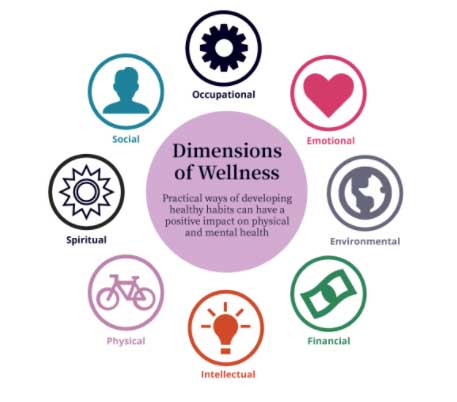
True health comes from balance. It’s about physical strength, mental resilience, emotional stability, and supportive relationships.
To live your healthiest life:
-
Stay active
-
Eat mindfully
-
Sleep well
-
Take care of your mental health
-
Stay connected with others
-
Be proactive about check-ups
-
Advocate for a cleaner, fairer world

Education Is Empowerment
Knowledge is power. The more we know about how our choices affect our health, the better decisions we can make. Schools, workplaces, and media all have roles to play in spreading health literacy.
Final Thoughts
Your health is one of your most valuable assets. It shapes your happiness, your relationships, and your potential. By embracing a holistic approach to well-being, we can create healthier lives for ourselves and more vibrant communities for everyone. Start small, stay consistent, and remember—health is a journey, not a destination.

0 Comments