
🌾 Farming: The Foundation of Civilization
Farming is one of humanity's oldest and most important occupations. It provides the food we eat, the fibers we wear, and, in many parts of the world, the livelihoods people depend on. Farming—also known as agriculture—involves cultivating the soil, growing crops, and raising animals to produce food, fuel, fiber, and other goods.
Though methods have evolved dramatically over time, the fundamental role of farming in society has remained constant.
🌱 The Origins of Farming
Farming began over 10,000 years ago during what is known as the Neolithic Revolution. Before this, humans lived as nomadic hunters and gatherers, moving from place to place in search of food.
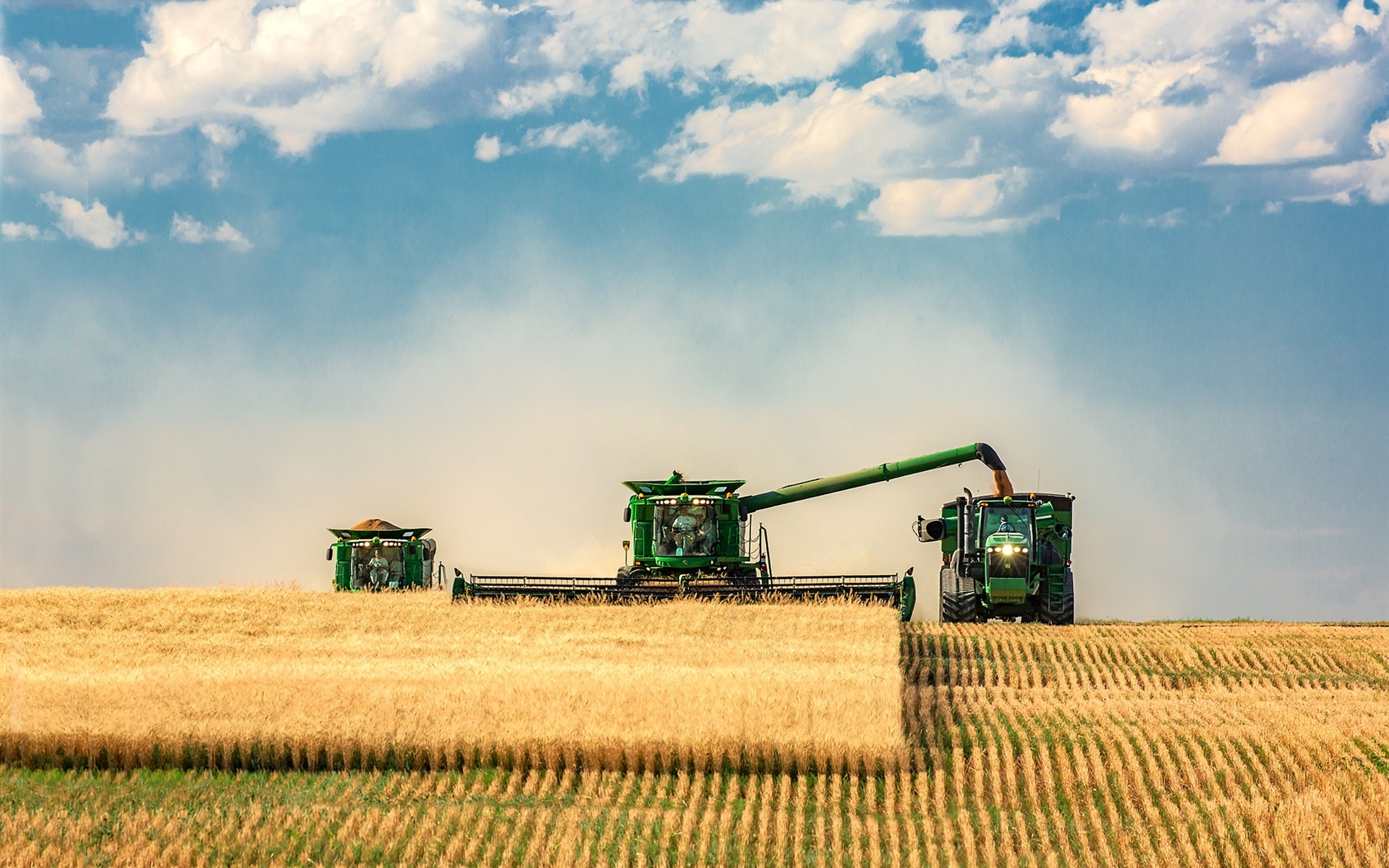
The discovery that seeds could be planted to grow crops changed everything. Early humans began to settle in fertile regions such as the Fertile Crescent in the Middle East, growing wheat, barley, and legumes, and domesticating animals like goats and sheep.
This shift led to:
-
Permanent settlements
-
Surplus food production
-
The rise of complex societies like Mesopotamia, Ancient Egypt, and the Indus Valley Civilization
🌍 Types of Agriculture
Farming practices vary depending on the region's needs, climate, and resources. Here are some of the main types:
1. Subsistence Agriculture
-
Small-scale
-
Produces food mainly for family use
-
Common in rural and developing regions

2. Commercial Farming
-
Large-scale
-
Produces crops and livestock for sale
-
Focuses on high yield and often uses modern machinery

3. Mixed Farming
-
Combines crop cultivation and livestock on the same farm
-
Increases efficiency and diversifies income
4. Organic Farming
-
Avoids synthetic fertilizers and pesticides
-
Relies on composting, crop rotation, and biological pest control
-
Promotes healthier food and environmental sustainability
5. Industrial Farming
-
Also known as factory or intensive farming
-
Relies on large-scale operations and chemical inputs
-
Efficient but raises concerns about animal welfare and environmental impact
💡 The Value of Farming
Farming plays a vital role in nearly every part of human life:
🍽️ 1. Food Production
Farming provides the grains, fruits, vegetables, dairy, and meat we rely on for nutrition.
👷 2. Employment
Over a billion people worldwide work in agriculture—especially in rural and developing regions.
💰 3. Economic Growth
Agriculture supports economies by fueling industries like:
-
Food processing
-
Transportation
-
Retail
-
Manufacturing
🌿 4. Environmental Stewardship
Sustainable farming can conserve biodiversity, protect ecosystems, and improve soil health.
🚜 Modern Farming Techniques
Science and technology have transformed farming into a high-tech industry. Here are some innovations:
🧬 Genetically Modified Organisms (GMOs)
-
Crops designed to resist pests and extreme conditions
-
Widely used in the U.S., Brazil, and India
💧 Advanced Irrigation
-
Drip and sprinkler systems save water
-
Essential for arid and drought-prone regions
📡 Precision Agriculture
-
Uses GPS, drones, and sensors
-
Helps monitor soil, weather, and crop health
⚙️ Mechanization
-
Tractors, seed drills, and harvesters improve productivity
-
Reduces labor and increases efficiency
🌾 Sustainable Farming
-
Crop rotation
-
No-till farming
-
Cover cropping
-
Integrated pest management
These practices help reduce environmental impact and preserve long-term soil health.
Despite its importance, farming faces several se
⚠️ Challenges Facing Farming
rious challenges:
🌡️ Climate Change
-
Unpredictable weather patterns
-
Droughts, floods, and altered growing seasons
👩🌾 Labor Shortages
-
Fewer young people entering farming
-
Aging farming population in developed countries
💧 Water Scarcity
-
Agriculture uses about 70% of global freshwater
-
Water availability is shrinking in many regions
🐛 Pest and Disease Threats
-
Crops and livestock are vulnerable
-
Especially critical in areas with limited access to veterinary care
🧪 Soil Degradation
-
Overuse of chemical fertilizers
-
Deforestation and poor land practices reduce soil fertility
🌟 The Future of Agriculture
The future of farming will be shaped by:
-
Innovation
-
Education
-
Sustainability
Emerging solutions include:
-
Vertical farming
-
Hydroponics
-
AI-based farm management
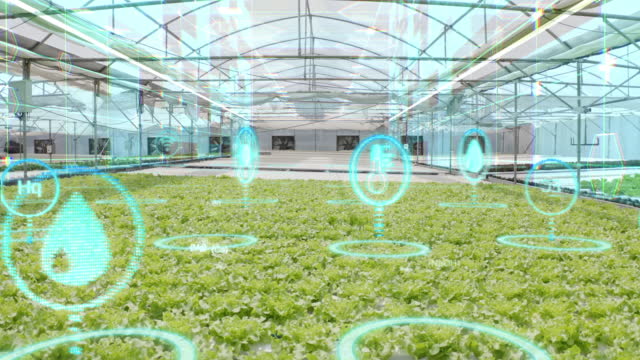
These technologies aim to make farming more efficient, environmentally friendly, and adaptable to global food demands.
Governments, farmers, and scientists must work together to balance production with environmental conservation.

0 Comments